

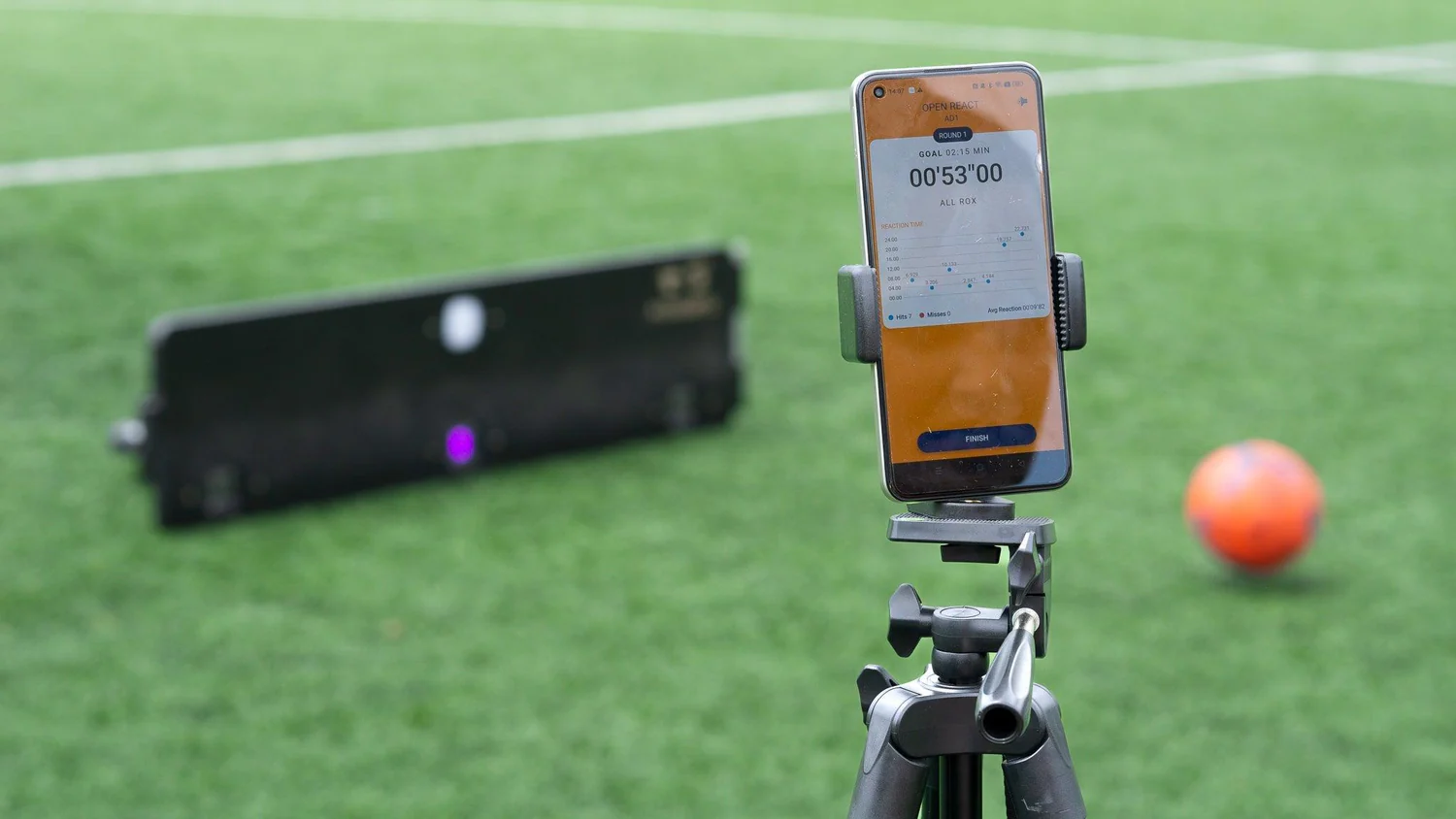
In today’s fast-paced world of football, teams and coaches are increasingly turning to innovative strategies to gain a competitive edge. The arrival of sophisticated football training gear has marked a significant shift in how players develop their abilities, stay healthy, and maximize performance. These advanced tools bridge the gap between raw talent and elite capability, providing real-time data, immediate feedback, and stronger injury prevention mechanisms than ever before.
With a focus on continuous improvement, football training gear is no longer limited to traditional methods. Athletes and coaches are blending time-tested drills with state-of-the-art technology to create personalized regimens that address individual strengths and weaknesses. The integration of devices such as smart sleds, GPS vests, and AI-driven trackers is transforming the landscape of training sessions and matches alike.
This evolution enables coaches to make data-informed decisions, using metrics and video feedback to fine-tune every aspect of practice. As NFL and college programs embrace these technological advancements, players experience faster recovery, greater agility, and reduced injury risk. Investing in modern training equipment is now as essential as developing tactical knowledge for teams striving to excel at every level.
For those aiming to enhance hitting and blocking practice, investing in the right football tackle dummy can also be a critical component for player safety and skill development. As training technology continues to evolve, teams that combine advanced equipment with consistent coaching strategies are better positioned to improve performance and maintain a competitive advantage throughout the season.
Data-Driven Training Tools
Modern football facilities are embracing data-driven tools to craft individualized training experiences. Solutions such as Exos’ collaboration with Keiser allow coaching staff to monitor velocity, power, and workload, facilitating precise regimen adjustments and measurable progress. By focusing on the specific needs of each athlete, these technologies help improve speed, strength, and agility, while also preventing overuse or unnecessary exertion. Many elite programs are utilizing performance analytics to guide everything from warm-ups to post-training recovery, reinforcing the shift toward evidence-based coaching. For coaches looking to bring the latest in science to their squads, emerging data tools are quickly becoming indispensable.
Smart Sleds for Enhanced Performance
Technology has revolutionized the classic training sled by introducing resistance options, digital tracking, and real-time performance feedback. The Smart Sled Pro is a leader in this category, using dual magnetic motors and a dedicated app to supervise training intensity and resistance. Unlike static sleds, smart versions reflect the dynamics of a real game, helping athletes train in game-like conditions. Instant feedback on movement patterns and resistance levels enables continuous fine-tuning throughout training, supporting players’ progress while reducing fatigue risk. Coaches can use session reports to tailor exercises and maximize functional output on the field.
Wearable Technology in Football
The surge in wearable devices has changed player monitoring forever. From GPS-enabled vests to AI-enhanced boots, these devices capture crucial data, including running speed, acceleration, total distance, and even biometrics like heart rate. This data becomes the coach’s secret weapon, informing lineup choices, minutes played, and practice schedules. Additionally, wearables can flag signs of impending fatigue or overuse before they develop into major injuries. FIFA’s approval of smart boots in official matches signals a new era of in-play monitoring, making training and competitive environments more transparent than ever.
AI and 3D Tracking Systems
The introduction of artificial intelligence and 3D motion tracking in football is opening unprecedented opportunities to analyze player performance. Intel’s 3DAT technology, for instance, captures skeletal and movement data during drills, enabling detailed biomechanical analysis using sophisticated algorithms. This system helps identify subtle inefficiencies in stride, posture, or balance, so athletes can adapt and refine their techniques. As clubs implement more AI-powered assessments, training will become even more individualized. These insights are vital for maximizing athletic output and planning effective, safe training regimens tailored to each athlete’s unique physiology. Major college and professional programs have already begun integrating these technologies for both team and individual development.
Impact on Injury Prevention
Advanced monitoring plays a decisive role in reducing injury rates in football. Wearables, AI systems, and smart equipment help flag players who are approaching dangerous levels of fatigue or who may be compensating for minor injuries. This proactive approach allows medical staff and coaches to intervene promptly, scaling back intensity or changing drills as needed. Real-time analytics offer warning signs before injuries become critical, supporting longer careers and better overall health for athletes. As a result, clubs and colleges are reporting fewer long-term absences and a greater ability to maintain competitive rosters throughout the season.
Conclusion
The integration of modern training equipment and sophisticated technology in football is revolutionizing how players prepare and perform. Software-driven analytics, smart training tools, and real-time monitoring provide powerful new ways to optimize regimens, raise athletic potential, and protect against injury. As technology continues to evolve, coaches and players who embrace these advancements will remain at the forefront of the sport, enjoying sustained improvement and safer, more effective training environments for years to come.
