

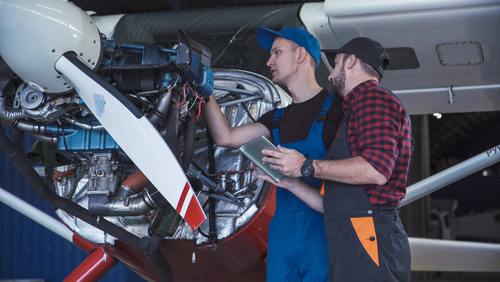
Aviation, there’s no cutting corners, especially with maintenance. Regular inspections aren’t just regulatory checkboxes; they’re the backbone of keeping aircraft safe, reliable, and flying for decades. These systematic evaluations catch potential problems while they’re still small, way before they turn into expensive nightmares that could ground an aircraft indefinitely. Think of inspections as preventive medicine for planes: they ensure compliance with strict regulations while dramatically extending how long an aircraft can keep serving its purpose. Whether you’re flying a modest Cessna on weekends or overseeing a commercial fleet, consistent inspection programs translate directly into better reliability, lower costs over time, and significantly improved safety margins. Understanding what makes regular inspections so valuable helps aircraft owners make smart decisions that protect their investments and keep their planes in peak condition.
The Critical Role of Preventive Maintenance in Aviation
About preventive maintenance: it’s all about catching trouble before trouble catches you. Regular inspections let skilled technicians spot components that are starting to show wear, corrosion, or fatigue, issues that might seem minor today but could become catastrophic tomorrow. This proactive strategy means repairs happen during scheduled downtime instead of forcing unexpected groundings that disrupt operations and drain budgets. Aircraft faces brutal operating conditions, dramatic temperature swings, constant vibration, pressure fluctuations, and relentless stress cycles that gradually wear down even the toughest materials. What makes regular inspections particularly valuable is how they build comprehensive maintenance histories over time. These records reveal patterns that help maintenance teams predict when components might need attention based on real-world performance rather than just manufacturer estimates. When aircraft receive this level of systematic care, they don’t just meet their expected service lives, they often exceed them by years, sometimes even decades. That’s the real power of preventive maintenance done right.
Understanding Inspection Intervals and Regulatory Requirements
Aviation regulators don’t mess around when it comes to inspection schedules, and for good reason. General aviation aircraft typically need annual inspections at minimum, with additional checks triggered by flight hours or calendar time, whichever milestone arrives first. Commercial operators? They’re held to even stricter standards with A-checks, B-checks, C-checks, and D-checks that happen at progressively longer intervals and dig deeper into aircraft systems each time. Each inspection level targets specific systems and components, creating overlapping layers of scrutiny, so nothing critical goes unexamined for too long.
Key Areas Assessed During Comprehensive Aircraft Inspections
A proper aircraft inspection leaves no stone unturned. Technicians examine airframe structures, powerplant systems, flight controls, landing gear assemblies, and avionics installations with meticulous attention to detail. The airframe gets checked for cracks, corrosion, loose fasteners, and any structural deformation that could spell trouble under operational stress. Engine examinations dive into compression readings, oil consumption trends, exhaust gas temperatures, and vibration patterns that whisper early warnings about internal wear.
The Economic Benefits of Consistent Inspection Programs
Let’s talk money, because regular inspections are one of the smartest financial decisions an aircraft owner can make. Finding a developing crack during a routine inspection might cost a few hundred dollars to repair locally. Miss that cracks and discover it after catastrophic failure? You’re looking at structural work that could easily run into six figures. Planned maintenance also lets operators schedule work during slow periods, avoiding revenue losses when the aircraft would otherwise be earning money.
Advanced Inspection Technologies Enhancing Aircraft Longevity
Modern inspection techniques have revolutionized how thoroughly technicians can evaluate aircraft condition without tearing everything apart. Borescope inspections peek inside engines, trace control cable routing, and examine other hard-to-reach areas without the time and expense of major disassembly. Eddy current testing finds subsurface cracks in aluminum structures before they’re visible to the naked eye, catching problems when fixes are still simple and inexpensive. Ultrasonic thickness measurements detect corrosion eating away at critical structures, providing hard data about material loss and remaining component life. Thermographic imaging spots electrical system hotspots and uneven engine cooling patterns that signal developing troubles needing investigation. When maintenance work requires precision in tight aircraft spaces, RedBox Tooling provides specialized equipment designed specifically for aviation applications. Non-destructive testing methods give detailed condition information while preserving the components being examined, no need for destructive sampling that would necessitate replacement regardless of actual condition. These technological advances work alongside traditional hands-on inspections, creating evaluation protocols that catch more potential issues while minimizing downtime. The result? Precise, targeted interventions that preserve aircraft value and extend service life.
Conclusion
If there’s one strategy that stands above all others for extending aircraft life while maintaining unwavering safety standards, it’s consistent, thorough inspections. The combination of regulatory compliance, preventive maintenance philosophy, comprehensive system evaluations, economic advantages, and cutting-edge inspection technologies creates an unbeatable framework for aircraft preservation. The data speaks for itself: aircraft receiving regular, methodical inspections at appropriate intervals consistently outperform neglected counterparts in reliability, operating costs, and total service life. By embracing a proactive inspection culture, owners and operators safeguard substantial investments while ensuring every flight benefits from the reliability and safety aviation demands. This commitment to regular inspections is what separates aircraft that deliver decades of dependable service from those forced into early retirement due to neglected maintenance. In aviation, there’s simply no substitute for doing things right.
For those looking to stay updated on aviation maintenance practices and industry insights, exploring trusted online resources can be highly beneficial. Platforms like Root Nation, offer informative content, expert perspectives, and practical guidance on topics ranging from aircraft inspections to advanced aviation technologies. Accessing such knowledge helps professionals and enthusiasts stay informed, make better decisions, and maintain high standards in aircraft care and performance.
