

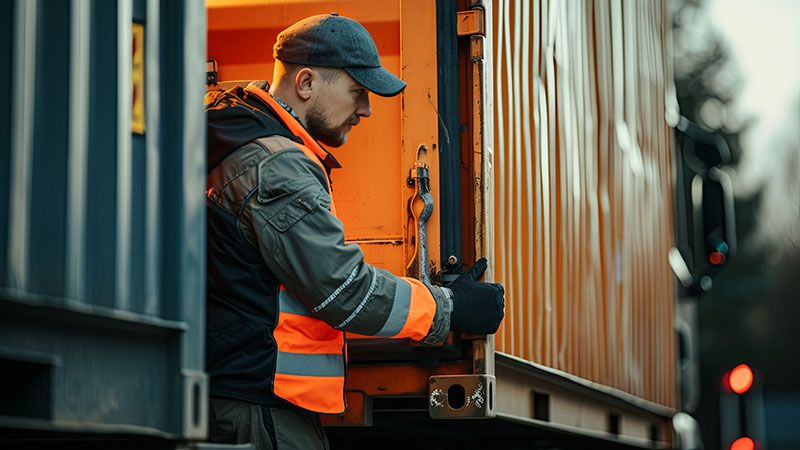
Cargo theft remains a significant concern for businesses involved in logistics and transportation. From high-value goods to everyday products, the risk of theft or loss is always present.
Fortunately, fleet tracking technology has transformed the way businesses protect their cargo, offering a robust solution to reduce theft and ensure secure delivery.
The role of fleet tracking in cargo security
Fleet tracking systems use GPS and real-time monitoring to provide businesses with constant updates on the location and status of their vehicles. This cutting-edge technology addresses many of the challenges associated with cargo theft. With trackers for vehicles, businesses can monitor their vehicles’ movements in real-time, quickly identifying any unauthorised detours or suspicious activity. This immediate access to data helps prevent theft and reduces the likelihood of losing valuable goods.
Advanced features that enhance cargo safety
Fleet tracking systems come equipped with features designed to enhance security. One notable function is geofencing, which alerts businesses if a vehicle strays from its designated route or enters restricted areas.
If a vehicle enters a high-risk zone or deviates without authorisation, businesses can take action instantly.
This real-time capability increases the chances of recovering stolen goods and working effectively with law enforcement.
By integrating fleet tracking systems into their operations, businesses not only safeguard their assets but also benefit from features like route optimisation and secure data logs.
Strengthening accountability through real-time monitoring
One of the critical advantages of fleet tracking is its ability to improve driver accountability.
With vehicles constantly monitored, drivers are less likely to engage in risky behaviours or misuse cargo.
This oversight reduces internal theft, ensuring that goods remain secure throughout the transportation process. Moreover, the presence of a van tracking system ensures better compliance with company policies.
Drivers are more likely to adhere to safe and efficient practices when their actions are tracked, reducing instances of negligence or mismanagement.
Reducing human error in cargo security
Traditional cargo security methods, such as manual checks or driver reports, often leave room for mistakes. Fleet tracking eliminates these vulnerabilities by providing accurate, GPS-enabled data.
Detailed logs and historical data allow businesses to identify patterns, track performance, and address any discrepancies.
This reliability significantly reduces the chances of theft or loss due to human error.
Lowering costs through fleet tracking
Fleet tracking systems enhance security while saving money. Insurers often offer lower premiums to businesses using advanced tracking, recognising reduced theft risks.
Implementing these systems helps recover costs through insurance savings and improved efficiency, benefiting both companies and clients.
Supporting vehicle maintenance for safe deliveries
Beyond theft prevention, fleet tracking systems provide insights into vehicle performance.
Regular monitoring ensures that vehicles are well-maintained, reducing breakdowns and enhancing the safety of cargo in transit.
Properly functioning vehicles are less likely to experience delays, ensuring timely and secure delivery of goods. This proactive maintenance approach minimises risks and boosts customer satisfaction.
A comprehensive solution for cargo security
Fleet tracking offers more than just location monitoring. It provides businesses with a complete security solution to combat theft and loss.
From real-time alerts to improved accountability and reduced errors, this technology addresses multiple aspects of cargo safety.
Securing cargo and enhancing peace of mind
Fleet tracking systems are an indispensable tool for businesses seeking to secure their cargo.
By using real-time data, implementing geofencing, and improving driver accountability, companies can operate with confidence and peace of mind.
Adopting fleet tracking technology minimises the risk of theft, reduces costs, and ensures efficient operations, making it a must-have for any logistics or transportation business.
