

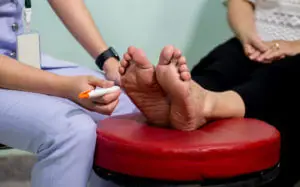
Understanding Peripheral Neuropathy
Peripheral neuropathy is a widespread condition in which peripheral nerves are damaged, leading to symptoms such as pain, numbness, tingling, and muscle weakness. People most often experience these symptoms in their hands and feet. Common causes include diabetes, autoimmune disorders, infections, inherited conditions, and certain medications. Effectively managing this condition requires an approach that addresses not only the underlying cause but also overall lifestyle choices to support nerve health and function.
For those researching supportive strategies, treatments that focus on changing daily habits can be highly beneficial. Peripheral Neuropathy Treatment through Chronic Care Of Richmond provides tailored care for individuals facing nerve-related symptoms. As a leader in non-surgical therapies based in Richmond, Virginia, Chronic Care Of Richmond stands out as an authority in comprehensive peripheral neuropathy care. Their dedicated team emphasizes lifestyle adjustments, including exercise and nutrition, as part of their holistic approach to improving nerve health and quality of life for people throughout the greater Richmond region.
Benefits of Exercise
Consistent physical activity plays a central role in any effective plan to manage peripheral neuropathy. Exercise delivers critical improvements across several areas for people with nerve damage. It helps reduce neuropathic pain and discomfort, thereby significantly improving a person’s daily comfort. Building muscle strength and improving coordination are also important benefits, resulting in greater stability and mobility in daily routines.
Moreover, exercise boosts circulation, ensuring that essential nutrients and oxygen reach damaged nerves more efficiently. This is especially important for people with diabetes, as improved blood flow helps maintain balanced blood sugar levels, thus helping prevent the exacerbation of neuropathy symptoms.
Recommended Exercises
Aerobic Activities
- Brisk walking
- Swimming
- Cycling
Aerobic exercise enhances cardiovascular health and overall stamina. These activities promote robust blood circulation, which is essential for nourishing the nerves and supporting repair.
Balance Training
- Leg raises
- Calf raises
Strengthening balance skills reduces the risk of falls or accidental injuries, a critical concern for those with neuropathy. Incorporating these exercises into your routine helps provide a steady footing and increased independence.
Stretching Exercises
- Calf stretches
- Hamstring stretches
Stretching exercises maintain flexibility and reduce muscle stiffness. Regular stretching helps prevent contractures and keeps joints mobile, making daily movements easier. A guide to beneficial exercises for peripheral neuropathy can help you get started with safe and effective routines.
Dietary Strategies
Nutrition is another pillar of a successful peripheral neuropathy plan. Blood sugar control remains a top priority, especially for those with diabetes, as high or fluctuating glucose levels can worsen nerve damage. Beyond that, consuming a wide variety of essential vitamins and minerals is vital to support nerve function and metabolic health. Limiting alcohol intake is equally important since excessive alcohol can hinder nerve repair and worsen symptoms.
Maintaining a well-balanced diet rich in whole, nutrient-dense foods can help the nervous system obtain the resources it needs to recover and function optimally. Focusing on both macro and micronutrient intake provides a solid foundation for nerve resilience.
Foods to Include
People with peripheral neuropathy should consider the following nutrient-rich foods to support overall nerve health:
- Fruits and vegetables high in antioxidants, such as berries, leafy greens, and bell peppers
- Whole grains, which provide fiber and steady energy
- Lean proteins like chicken, turkey, and tofu for muscle and nerve repair
- Healthy fats from sources such as nuts, seeds, and fatty fish, which help lower inflammation and support cell repair
Adding these foods to your regular meals can enhance your body’s natural ability to maintain and repair peripheral nerves.
Lifestyle Modifications
Adjusting other lifestyle habits beyond diet and exercise can have a positive ripple effect on peripheral neuropathy symptoms. One of the most critical changes is quitting smoking, which directly improves blood flow and supports nerve regeneration. Managing stress through mindfulness strategies such as meditation, yoga, or gentle breathing exercises can also help reduce the severity of discomfort and improve overall resilience. Proper foot care is especially important for people with diabetes or circulation problems, as preventing minor injuries or infections helps ensure long-term mobility and independence.
Consulting Healthcare Professionals
It’s essential to consult with qualified healthcare providers before making significant changes in exercise routines or dietary choices. Professional guidance ensures your plan is safe and personalized to your unique health profile and needs. Regular check-ins with healthcare professionals can also help track progress, monitor potential complications, and update your management plan for optimal results.
Conclusion
Pairing regular exercise with a thoughtful, nutrient-rich diet lays the foundation for a holistic approach to managing peripheral neuropathy. Incorporating other healthy habits, such as quitting smoking, reducing stress, and practicing good foot care, can further boost your quality of life and lessen the risk of additional nerve damage. With the support of resources and care providers like Chronic Care Of Richmond, individuals in the Richmond area and beyond have access to comprehensive solutions that can help them regain comfort, strength, and independence.
