

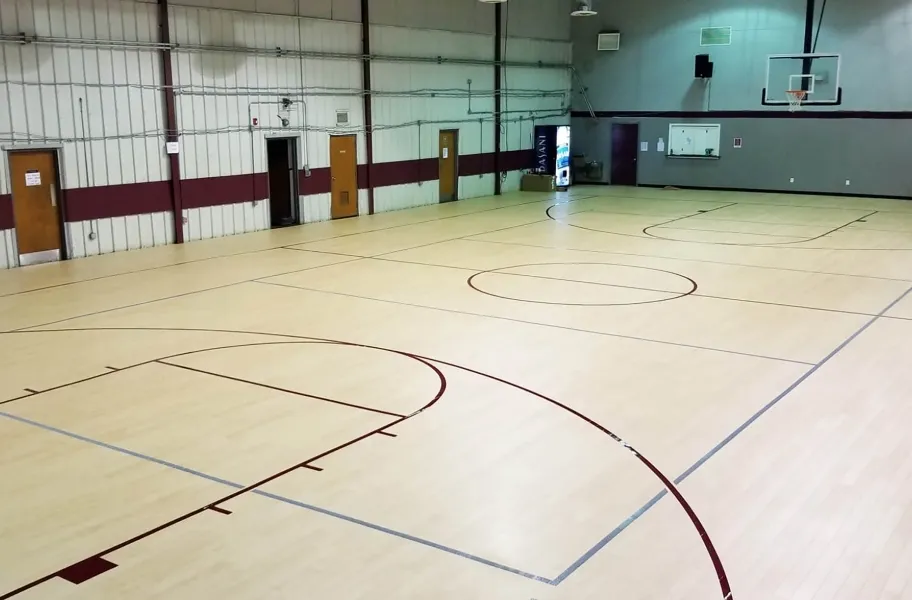
Understanding the Importance of Proper Gym Flooring
Selecting the ideal gym flooring for basketball and volleyball courts is a cornerstone for athlete safety, sustained performance, and facility longevity. Whether stepping onto the court for competition or practice, athletes depend on surfaces that deliver both optimal playability and injury prevention. The decision on sports flooring impacts not only the daily experience of users but also the ongoing operational costs and visual appeal of a facility.
Facilities seeking the best outcomes can benefit from professional gymnasium flooring installation by experts familiar with the unique requirements of basketball and volleyball courts. A carefully selected and properly installed floor creates an environment where athletes can excel and facility managers minimize long-term headaches.
For gym owners or school administrators, the landscape of gym flooring has grown increasingly sophisticated. From traditional hardwood to modern synthetics, the right choice integrates playability, durability, and long-term value. Navigating these options requires a clear understanding of which factors most influence athletic environments.
Key Factors to Consider When Choosing Gym Flooring
- Shock Absorption: Quality flooring lessens impact forces, protecting joints and reducing injury rates for athletes who perform frequent jumps and rapid direction changes.
- Traction: The right surface provides reliable grip, minimizing slips and supporting quick, safe movement essential for high-paced sports like basketball and volleyball.
- Durability: Gym floors receive heavy foot traffic and harsh treatment from sports equipment. Choosing resilient materials helps preserve function and appearance over years of use.
- Maintenance: Maintenance demands can vary. Considering long-term cleaning, refinishing, and repair needs is key to controlling costs and downtime.
Popular Flooring Options for Basketball and Volleyball Courts
A variety of flooring materials serve basketball and volleyball facilities, each offering a distinctive balance of feel, cost, and required maintenance. Selecting the optimal solution depends on the facility’s primary activities, expectations for performance, and budget.
Hardwood Flooring
Hardwood, especially maple, is renowned for its durability, ball bounce consistency, and classic appearance. Pro and collegiate basketball courts almost exclusively use solid hardwood due to its performance. Proper installation is crucial to ensure the floor performs well and lasts for years. According to Wood Floor Business, a detailed example of a full gym floor installation process can be found. However, hardwood is vulnerable to moisture and requires regular upkeep, including refinishing and periodic deep cleaning. Proper installation and ongoing maintenance extend its lifespan and visual appeal.
Synthetic Flooring
Modern synthetic floors, including polyurethane and vinyl, offer flexibility for multipurpose spaces. These surfaces mimic the aesthetic of wood but demand less frequent repair, making them a cost-effective alternative for schools and community centers. While they provide suitable play for basketball and volleyball, they may lack the true bounce and tactile feel of traditional hardwood—factors elite players may notice.
Modular Tile Flooring
Modular tiles have grown in popularity for their quick installation, ease of maintenance, and versatility. When a section becomes damaged, individual tiles are easily replaced, saving both time and money. Tiles offer solid performance characteristics and can be customized in design and color to suit the needs of any sports program or branding vision. This flooring type is ideal for facilities hosting a variety of sports or events, making transitions seamless.
Installation Tips for Optimal Performance
Delivering lasting court quality depends on professional installation. Neglecting best practices can lead to uneven surfaces, poor shock absorption, or premature wear:
- Subfloor Preparation: Thoroughly clean, level, and dry the subfloor. Any moisture or irregularity will negatively affect the final surface.
- Acclimatization: Give all flooring materials—especially wood—time to adjust to the gym’s temperature and humidity, reducing later risks of warping or shrinkage.
- Professional Installation: Work with specialists in sports flooring to ensure proper alignment, joint treatment, and secure fastening to the subfloor for maximum safety and longevity.
- Line Markings: Use accurate, durable game lines for basketball and volleyball. High-quality materials and precision markings enhance both gameplay and the court’s professional presentation.
Maintenance Practices to Extend Flooring Life
A robust maintenance schedule is vital for protecting your investment and providing consistent surface quality. Routine and strategic care prolongs floor lifespan:
- Cleaning: Daily sweeping or dust-mopping is essential to prevent the accumulation of dust, grit, and other debris that can scratch the floor’s surface and wear down its finish over time. Using a microfiber mop or soft-bristled broom ensures gentle cleaning without causing damage. In addition to sweeping, regular mopping with manufacturer-recommended solutions helps remove perspiration, dirt, and accidental spills that can cause staining or create slippery conditions. Consistent cleaning not only preserves the aesthetic appeal of the floor but also maintains a safe environment for athletes and facility users.
- Inspections: Routine inspections are a critical part of floor maintenance. Carefully examining the surface for cracks, splits, dead spots, or loose sections allows facility managers to identify and address minor issues before they escalate into costly repairs. Checking for uneven wear patterns can also help determine if certain areas are subjected to heavy traffic and may require targeted attention. Documenting findings and scheduling timely interventions ensures the longevity of the flooring while reducing the risk of injuries caused by hidden defects.
- Refinishing: Hardwood sports floors, in particular, benefit from periodic sanding and re-coating. This process removes superficial scratches, restores the floor’s original luster, and replenishes protective layers that guard against moisture, impact, and abrasion. Regular refinishing not only enhances visual appeal but also preserves optimal traction and playability, supporting athlete performance and safety. Depending on usage intensity, refinishing schedules may vary; however, proactive maintenance is crucial for extending the life of the flooring and maintaining the facility in top condition.
Conclusion
Approaching gymnasium flooring installation as a comprehensive process—from selecting the right material to ensuring expert installation and strategic maintenance—delivers the greatest value to athletic facilities. By factoring in performance, durability, safety, and cost, decision-makers can create courts that not only meet today’s athletic demands but also remain sources of pride and safe competition for years to come.
