

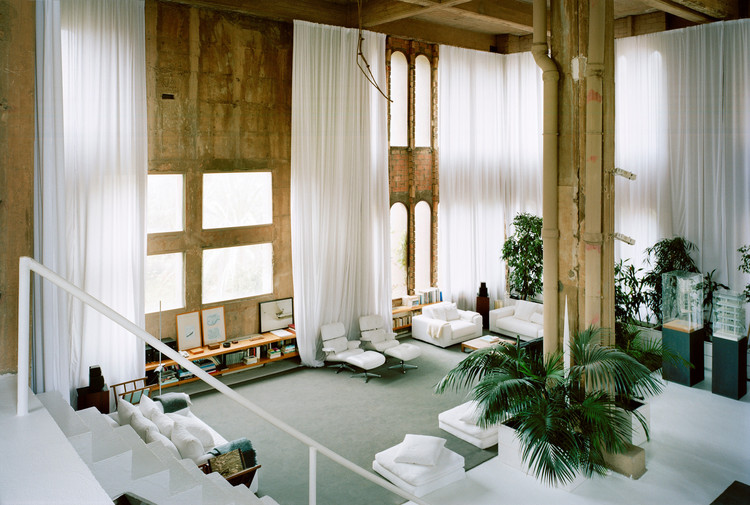
As demand for creative urban housing solutions grows, developers are finding new purpose in the industrial past. One promising trend is the conversion of old warehouses into modern residential spaces. These projects preserve architectural character while delivering updated functionality. Ballast Investments, a real estate investment firm managing a portfolio of over $2 billion, views warehouse retrofitting as a smart, sustainable strategy for adaptive reuse.
These conversions offer more than aesthetic appeal. They reduce environmental impact, extend the life of existing infrastructure and support urban revitalization in neighborhoods once dominated by light industry. With careful design and community alignment, warehouse projects are helping cities evolve while keeping their historic identity intact.
The Appeal of Warehouse Conversions
Industrial warehouses, with their open floor plans, high ceilings and large windows, offer a unique foundation for modern living spaces. Converting these structures into residences provides several advantages:
- Architectural Character: Exposed brick, steel beams and concrete floors create an aesthetic that blends industrial heritage with contemporary design.
- Sustainable Development: Repurposing existing structures reduces construction waste, conserves materials and lowers the carbon footprint compared to new builds.
- Flexible Design: Open floor plans allow for creative layouts, high-end lofts and adaptable living arrangements.
- Urban Revitalization: Converting underutilized warehouses into housing revitalizes neglected neighborhoods, attracting businesses and boosting local economies.
- Cultural Significance: Many warehouses hold historical importance, and preserving their original framework allows cities to maintain a connection to their industrial past.
These factors make warehouse conversions an attractive option for investors, homeowners and renters seeking distinctive living spaces in vibrant urban settings.
Challenges in Retrofitting Industrial Warehouses
Despite their advantages, warehouse conversions present unique challenges that developers must address:
- Zoning and Permitting: Many warehouses are located in industrial zones, requiring zoning changes and city approvals for residential use.
- Structural Modifications: Reinforcing old buildings to meet modern safety standards, including seismic retrofitting and fire code compliance, is essential.
- Energy Efficiency Upgrades: Large, open spaces can be inefficient to heat and cooling, necessitating insulation, double-glazed windows and smart climate control systems.
- Plumbing and Electrical Overhauls: Older buildings often require new plumbing, wiring and modern HVAC systems to support residential functionality.
- Community Integration: Ensuring warehouse conversions align with the surrounding neighborhood and address local housing needs is critical for project approval and long-term success.
By addressing these challenges through innovative design and strategic planning, developers can maximize the potential of warehouse conversions.
Key Features of Modern Warehouse Living Spaces
Successful warehouse conversions integrate a mix of industrial aesthetics and modern conveniences. Some defining features of these retrofitted spaces include:
- Loft-Style Interiors: Open floor plans with high ceilings and minimal partition walls create spacious, airy living environments.
- Large Windows and Natural Light: Industrial buildings often feature expansive windows that provide ample daylight and city views.
- Exposed Materials: Retaining original steel beams, wooden trusses and brick walls adds character and historic charm.
- Smart Home Technology: Integrated smart lighting, heating and security systems enhance modern living.
- Sustainable Features: Green roofs, energy-efficient appliances and recycled building materials promote eco-friendly living.
- Mixed-Use Developments: Many conversions include ground-floor commercial spaces, such as cafes, coworking offices and boutiques, fostering vibrant urban communities.
These elements contribute to the growing demand for warehouse conversions among young professionals, creatives and those seeking alternative urban living spaces.
Case Studies: Successful Warehouse Conversions
Cities worldwide are embracing the transformation of warehouses into modern residences:
- New York City: The Chelsea and Brooklyn neighborhoods have seen numerous warehouse-to-loft conversions, blending industrial aesthetics with luxury living.
- London: The Docklands and South Bank areas feature converted warehouses offering high-end riverfront apartments with historic charm.
- Los Angeles: The Arts District has transformed old factories into stylish lofts and mixed-use spaces, attracting artists, entrepreneurs and tech professionals.
- Berlin: Former warehouses in Kreuzberg and Friedrichshain have been repurposed into creative live-work spaces that cater to Berlin’s growing startup scene.
- Melbourne: The city’s former industrial districts now house sleek, energy-efficient apartments that maintain their warehouse heritage.
These examples showcase how warehouse retrofitting can contribute to urban renewal while preserving architectural integrity.
Financial and Policy Incentives for Developers
Governments and municipalities are supporting warehouse conversions through various incentives, including:
- Historic Preservation Tax Credits: Many cities offer tax benefits for maintaining the historic features of repurposed warehouses.
- Zoning Flexibility: Adjustments to zoning regulations allow for easier conversion of industrial spaces into residential or mixed-use developments.
- Green Building Grants: Developers integrating sustainability measures can access grants and subsidies for energy-efficient upgrades.
- Public-Private Partnerships: Collaborations between governments and developers help streamline project approvals and secure funding.
- Affordable Housing Initiatives: Some warehouse conversions incorporate affordable housing units, qualifying for additional financial incentives and tax breaks.
By leveraging these incentives, developers can make warehouse conversions more financially viable and socially impactful.
The Future of Warehouse Conversions
As urban populations grow and the demand for unique housing solutions increases, warehouse conversions will continue to shape the future of real estate. Emerging trends in this sector include:
- AI-Driven Space Optimization: Machine learning models are being used to design efficient layouts that maximize space and energy use.
- Modular Interior Design: Flexible, prefabricated components allow for customizable living spaces within warehouse structures.
- Eco-Friendly Retrofitting: Sustainable construction techniques, such as solar panel integration and rainwater harvesting, are becoming standard in warehouse conversions.
- Hybrid Live-Work Spaces: Many converted warehouses now cater to remote workers and entrepreneurs by incorporating coworking areas within residential units.
- Smart Energy Management: AI-powered energy systems optimize heating, cooling and lighting to reduce operational costs.
These trends highlight the growing importance of thoughtful planning in warehouse conversions, especially as sustainability moves from a bonus to a baseline expectation. Greg MacDonald, Ballast Investments CEO and Co-Founder, states, “A thoughtful approach to retrofitting and compliance can transform sustainability from a cost center to a profit driver for property owners.” By integrating sustainable materials, energy-efficient upgrades and compliance-driven innovations, developers can enhance property value while reducing operational costs, making warehouse conversions a financially viable and environmentally responsible investment.
Preserving Character While Meeting Modern Demand
Warehouse conversions offer a practical and forward-looking response to today’s urban housing challenges. By transforming old factories and industrial buildings into modern residences, developers can deliver livable, high-quality spaces while preserving architectural integrity and neighborhood character.
With thoughtful planning, policy support and sustainable innovation, warehouse retrofitting will continue to shape the future of city living. Developers and investors who adopt this strategy are well-positioned to meet rising demand, contribute to neighborhood revitalization and create long-term value in increasingly competitive housing markets.
