

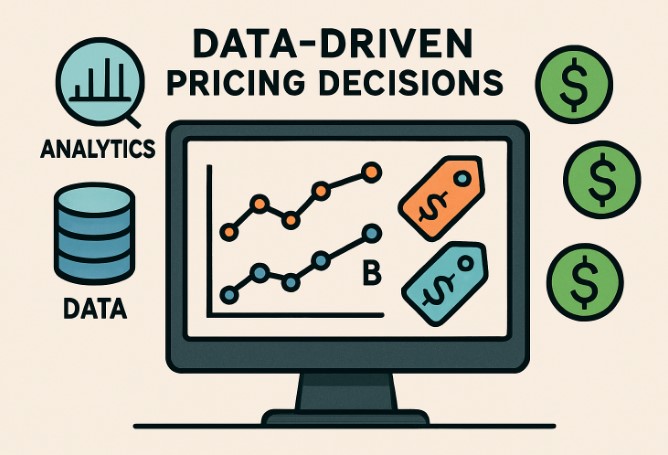
As markets shift faster than ever before, businesses must develop strategies that can withstand unpredictable changes in consumer demand and competition. One of the most effective ways to adapt is by implementing data-driven pricing. This technique leverages real-time analytics and machine learning to unlock new levels of pricing precision. Companies using these methodologies, such as those offered by Revenue Analytics, can finely tune their pricing models, responding rapidly to external signals and customer behaviors.
Adopting a data-driven approach enables businesses to avoid leaving money on the table and, crucially, prevent revenue loss caused by outdated or manual pricing tactics. Whether in retail, hospitality, or QSR, the ability to quickly analyze millions of transactions and external factors is now a prerequisite for gaining a competitive edge in today’s landscape. By marrying data science with practical business strategies, companies can not only maximize revenue but also deliver personalized customer experiences that reinforce loyalty and trust. Data-driven pricing intersects with advanced analytics, providing business leaders with real-time visibility into competitive moves, market trends, and fluctuations in consumer demand. This shift toward intelligent automation in pricing helps answer key questions—such as when and how much to adjust prices—with unprecedented accuracy. Modern businesses are also under increasing pressure to remain agile and relevant. Competitive price wars and the proliferation of e-commerce options have raised customer expectations for price transparency and fairness. At the same time, companies must avoid damaging their brand image with erratic or overly aggressive pricing shifts. In this dynamic environment, the strategic use of data is the key to the difference between operational resilience and irrelevance.
Introduction to Data-Driven Pricing
Data-driven pricing combines the power of data analytics with market strategy, fusing variables such as customer demand, competitive trends, buying history, and even seasonality into cohesive pricing decisions. Instead of relying on intuition or standard markup formulas, companies analyze multifaceted datasets to determine the optimal prices for their products and services. This science of pricing not only maximizes profitability but also allows organizations to be proactive rather than reactive during market shifts. According to Insivia, even a modest 1% increase in pricing can lead to an average 11% boost in profits, underscoring the transformative power of strategic pricing adjustments. The proliferation of digital touchpoints enables organizations to collect data at every stage of the customer journey. This wealth of information feeds into sophisticated analytical engines, consistently refining pricing models for maximum efficiency. As a result, businesses can segment customers with greater precision, ensuring prices reflect willingness to pay while maintaining competitiveness in crowded markets.
Leveraging Machine Learning for Pricing Optimization
Machine learning algorithms revolutionize how businesses make pricing decisions, transforming static models into dynamic engines that process billions of possible pricing permutations in minutes. Unlike rule-based systems, modern machine learning models continually learn from new data, thereby improving their accuracy over time. They predict demand surges, competitor activity, and even subtle shifts in consumer sentiment, drawing on sources such as online reviews and social media mentions. By automating the pricing process, businesses can confidently shift prices to optimal levels without fear of manual errors or missed opportunities. According to McKinsey, companies implementing machine learning into their pricing have witnessed revenue growth of up to 25%, a testament to the technology’s potential to drive direct business outcomes. Furthermore, machine learning enables highly granular price segmentation—meaning companies can offer different prices based on region, time of day, loyalty status, and more, unlocking additional revenue.
Case Studies: Success Stories in Dynamic Pricing
Several global leaders have transformed their business results through intelligent, data-driven pricing:
- Domino’s Pizza: Implemented a dynamic pricing approach using the Domino’s Pulse platform, which analyzes real-time data on sales, customer preferences, and delivery times. This strategic move led to a 15% increase in sales, resulting in higher profits and improved operational efficiency.
- Starbucks: Leveraged personalized pricing incentives powered by customer data, leading to a 20% boost in engagement and loyalty. Through targeted offers and product-specific discounts, Starbucks matched pricing to customers’ unique buying habits while protecting its premium brand image.
- McDonald’s: Adopted analytics-driven price and promotion optimization tailored to regional preferences, leading to a 10% gain in market share and significant expansion in customer base.
As these companies have demonstrated, holistic adoption of data and machine learning can drive substantial results. The success stories underscore the importance of both the tools and the strategic mindset needed to capitalize on this technology.
Implementing Data-Driven Pricing in Your Business
Getting started with data-driven pricing requires a blend of technological investments and organizational readiness. Begin by integrating all available data sources—including sales, market trends, and consumer analytics—into a single platform to create a unified view of pricing performance and opportunities. Then, collaborate with data scientists or trusted technology vendors to develop algorithms that generate optimal price points aligned with business goals.
- Integrate Data Sources: Collate transactional, behavioral, and market data to form a foundation for informed decision-making.
- Develop Pricing Algorithms: Design models that ingest data in real time and generate instant, actionable price recommendations.
- Test and Optimize: Continuously iterate on pricing strategy based on live performance feedback to maximize profitability while maintaining customer satisfaction.
Challenges and Considerations
While the benefits of dynamic pricing are significant, organizations must remain vigilant regarding potential pitfalls. Data privacy is a primary concern; collecting detailed customer information requires robust compliance with regulations and transparent communication with customers. Additionally, over-reliance on automation without regular human oversight can lead to suboptimal outcomes, especially in markets subject to unpredictable shocks.
Perhaps most importantly, frequent or poorly communicated price changes can alienate loyal customers if not carefully managed. Clear messaging and the implementation of guardrails to prevent drastic price shifts are essential to maintaining trust and preventing backlash.
Conclusion
Data-driven pricing strategies empower modern businesses to operate with agility, precision, and confidence. By leveraging real-time analytics, machine learning, and a holistic view of market and customer data, organizations can deliver the right price to the right customer at the right moment. Embracing this approach is not just a route to higher profits, but also an investment in sustainable growth and customer satisfaction in a rapidly evolving digital economy.
