

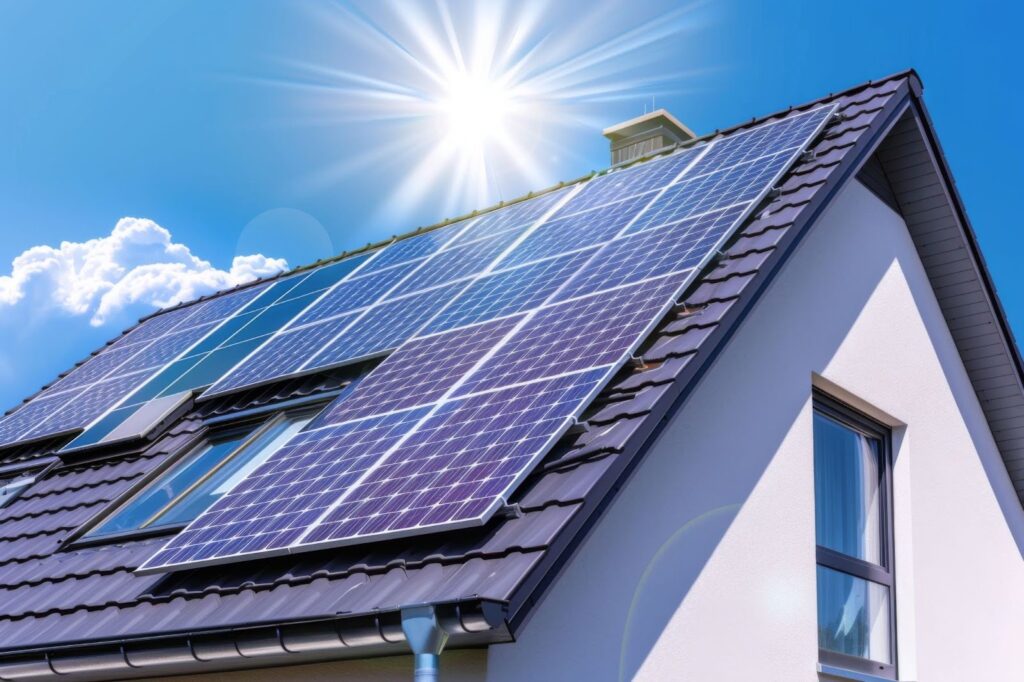
One of the most common questions homeowners ask when considering solar energy is how long solar panels last. Solar power is a long-term investment that provides energy savings and environmental benefits, but understanding the lifespan and efficiency of solar panels is essential to making an informed decision. Freedom Forever solar systems are designed for durability and long-term performance, helping homeowners transition to renewable energy with confidence. As a trusted provider of residential solar solutions, Freedom Forever ensures that every investment continues to deliver value for decades.
Most modern solar panels are built to last 25 to 30 years, but this does not mean they stop working after that time frame. Instead, their efficiency gradually declines. By understanding how solar panels degrade over time and how to maintain them properly, homeowners can extend their system’s lifespan and maximize its benefits.
How Long Do Solar Panels Typically Last?
Solar panels are designed to be durable, withstanding harsh weather conditions, extreme temperatures and prolonged sun exposure. Industry standards typically guarantee that panels will maintain at least 80% of their original efficiency after 25 years. However, many systems continue to generate electricity at a useful rate well beyond this period.
The longevity of solar panels depends on several factors, including the quality of materials, manufacturing standards and environmental conditions. High-quality panels tend to degrade at a lower rate, often around 0.3% to 0.8% per year, meaning that even after 30 years, they can still produce a significant amount of energy.
What Causes Solar Panels to Degrade?
Over time, all solar panels experience a gradual decline in efficiency, a process known as solar panel degradation. Several factors contribute to this decline:
UV Exposure: Continuous exposure to ultraviolet (UV) rays causes wear and tear on the panel materials, reducing their ability to convert sunlight into electricity.
Weather Conditions: Extreme temperatures, heavy snowfall and strong winds can put stress on panels, leading to minor surface wear over time.
Microcracks in Solar Cells: Tiny cracks can develop in the photovoltaic (PV) cells due to thermal expansion and contraction, reducing energy output.
Dirt and Debris Accumulation: Dust, pollen and other particles can accumulate on panel surfaces, blocking sunlight and decreasing efficiency if not cleaned regularly.
How to Extend the Lifespan of Solar Panels
While degradation is inevitable, homeowners can take steps to ensure their solar panels perform optimally for as long as possible:
- Regular Cleaning and Maintenance
Keeping solar panels free from dust, leaves and bird droppings ensures they absorb the maximum amount of sunlight. Periodic inspections can help identify issues such as loose wiring, debris buildup or minor damage that could affect efficiency.
- Professional System Inspections
Hiring a solar technician for annual inspections can help detect potential problems early. Professionals check for microcracks, loose connections and inverter performance to ensure the entire system is functioning correctly.
- Choosing High-Quality Panels
Not all solar panels are created equal. Investing in high-efficiency panels with strong warranties provides better long-term performance and reliability. Many top-tier manufacturers offer warranties of 25 to 30 years, ensuring panels remain productive for decades.
- Installing Panels with Proper Angling and Ventilation
Proper installation helps minimize wear from temperature fluctuations and excessive heat exposure. Ensuring sufficient airflow around panels prevents overheating and optimizes efficiency.
Do Solar Panels Stop Working After Their Lifespan?
A common misconception is that solar panels stop working entirely after 25 or 30 years. In reality, most panels continue to generate electricity, albeit at a lower efficiency rate. For example, a panel with an annual degradation rate of 0.5% would still operate at about 87.5% efficiency after 25 years. This means homeowners can continue benefiting from solar power long after their warranty expires.
What Happens When Solar Panels Reach the End of Their Life?
When panels reach the end of their efficient lifespan, homeowners have several options:
Continue Using the System: If panels still generate enough electricity to meet household needs, they can remain in operation.
Upgrade to Newer Panels: Newer solar technology offers higher efficiency and improved durability, making an upgrade worthwhile.
Recycle Old Panels: Many components of solar panels, such as glass, aluminum and silicon, can be recycled, reducing environmental waste.
As solar recycling programs expand, more options are becoming available to homeowners looking for sustainable disposal solutions.
With advancements in solar technology, panel efficiency and durability continue to improve. Researchers are continuously working on new materials that enhance energy absorption and minimize efficiency loss over time. Manufacturers are developing panels with lower degradation rates, higher power output and stronger warranties, ensuring that homeowners get the most value from their investment. Freedom Forever has been at the forefront of helping homeowners maximize the longevity of their solar investment by providing high-quality solar solutions tailored to long-term performance and reliability. By focusing on advanced installation techniques and high-performance panel options, they help homeowners achieve greater energy independence with systems built to last.
Beyond individual panel lifespan, ongoing innovations in energy storage, system monitoring and panel materials are ensuring that solar remains a dependable energy source for decades to come. Battery storage advancements allow homeowners to store excess energy more efficiently, while smart monitoring systems provide real-time performance insights, helping maximize energy output.
Maximizing Your Solar Investment for the Long Run
Understanding the lifespan and efficiency of solar panels helps homeowners make informed decisions when investing in solar energy. Factoring in climate conditions and energy usage patterns can also help homeowners determine the best solar setup for long-term efficiency. While panels naturally degrade over time, proper maintenance and quality selection can extend their effectiveness well beyond their warranty period.
By choosing durable panels, performing routine maintenance and staying informed about industry advancements, homeowners can ensure their solar system continues to provide clean energy for years to come. Partnering with a reputable solar provider can also make a significant difference in maximizing system performance and longevity. As solar technology evolves, the potential for even longer-lasting and more efficient panels will only increase, making solar energy an even more valuable investment for the future. The continued growth of the solar industry and advancements in photovoltaic materials will ensure that homeowners benefit from increasingly reliable and cost-effective solutions.
