

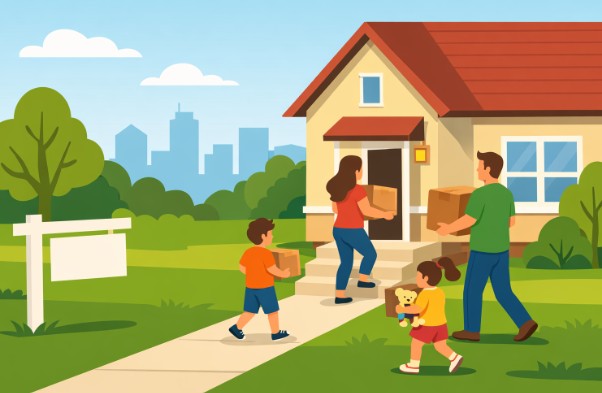
Recent shifts in relocation patterns are significantly impacting suburban real estate markets. Factors such as remote work, affordability, and lifestyle preferences are driving more individuals and families to suburban areas, leading to notable changes in housing demand and market dynamics. For instance, Wilmette, Illinois, a picturesque village along Chicago’s North Shore, has seen increased interest from homebuyers seeking a balance between suburban charm and urban convenience. Local experts like Molitor Beghou Real Estate, a team with over 24 years of experience and more than $275 million in sales, have been instrumental in guiding clients through this evolving market.
The Rise of Remote Work
The widespread adoption of remote work has allowed employees to reconsider their living arrangements, prioritizing factors such as space, affordability, and quality of life. This shift is driving increased demand in suburban real estate markets, as buyers seek larger homes, dedicated workspaces, and outdoor amenities. In Wilmette, for example, demand has risen significantly for homes with home offices and close proximity to parks and recreational facilities. Furthermore, as technology enables remote communication, homeowners are increasingly focused on high-speed internet, smart home features, and flexible floor plans that accommodate both work and daily activities. Wilmette’s robust broadband infrastructure and community-oriented environment enhance its appeal to buyers who value both connectivity and quality of life. For those navigating this evolving market, working with experienced professionals such as Wilmette IL real estate experts Beghou Real Estate can provide valuable insight into local trends, helping buyers identify properties that align with these new priorities while making informed long-term decisions.
Affordability and Space
Urban housing prices have escalated, prompting many to look toward the suburbs for more affordable options. Suburban areas often offer larger homes at lower prices compared to urban centers, appealing to those seeking more space for growing families or home offices. This trend is particularly evident among millennials, who are increasingly moving to the suburbs in search of better value and quality of life. In Wilmette, the availability of diverse housing options, from historic homes to modern residences, caters to this demographic shift.
The attraction of suburban living is underpinned not just by price but also by households’ ability to secure amenities such as private yards, attached garages, and access to parks. Studies have shown that suburban buyers rank outdoor living spaces and proximity to reputable schools highly on their priority lists, making locales like Wilmette ideal for families aiming to establish long-term roots. Furthermore, the financial dynamics of suburban real estate often enable more flexible mortgage options and competitive lending, thereby widening access for first-time buyers.
Demographic Shifts
Baby Boomers are also contributing to the transformation of suburban real estate. Many are relocating to be closer to family or to access better healthcare facilities. These moves are often deliberate and well-planned, gradually releasing long-held properties into the market and influencing suburban housing availability. In communities like Wilmette, this has led to a dynamic real estate landscape, with a mix of long-time residents and newcomers enriching the community fabric.
A growing number of multigenerational households are also emerging in suburban markets, as families choose to cohabit with elderly relatives for both economic and supportive reasons. This shift creates demand for homes with in-law suites, accessible layouts, or separate living quarters. Wilmette’s neighborhood diversity satisfies a wide range of living arrangements, supporting both young professionals and extended families in transition.
Impact on Suburban Rental Markets
Suburban rental markets are also experiencing growth. For instance, between 2018 and 2023, suburban areas near Boston saw a 7% increase in rental households, adding nearly 26,000 renters. This trend reflects growing affordability issues in the city and the appeal of suburban living. Similarly, in Wilmette, the rental market has expanded, offering options for those not yet ready to purchase a home but seeking the benefits of suburban life.
The increasing prevalence of remote contract work and job mobility has introduced more “untethered” residents, those not tied to one location long-term. This has propelled demand for high-quality suburban rentals with flexible lease terms and amenities commonly found in urban dwellings, such as fitness centers, coworking lounges, and advanced security features. In response, property managers and investors are upgrading existing rental inventory, recognizing that future tenants expect not just affordability but also comfort, convenience, and connectivity in suburban spaces.
Challenges and Considerations
While the shift toward suburban living offers many benefits, it also presents challenges. Increased demand can lead to rising property prices and potential strain on suburban infrastructure. Additionally, those moving to the suburbs may face longer commutes or limited public transportation options, especially if their jobs require occasional in-office presence. In Wilmette, local authorities and community leaders are actively addressing these challenges by investing in infrastructure improvements and enhancing public services to accommodate the growing population.
Environmental sustainability is another key consideration, as increased population densities and new development projects may heighten the community’s ecological footprint. Many suburbs, Wilmette included, are adopting greener construction practices and investing in public green spaces to maintain the high quality of life that attracts new residents in the first place. Traffic congestion, utility expansion, and maintaining cohesive community planning are ongoing focuses for municipal leaders to ensure growth remains thoughtful and inclusive.
Conclusion
Relocation trends are altering suburban real estate markets as remote work rises, driving demand for affordability and space. Suburbs like Wilmette are seeing demographic changes that require real estate professionals’ expertise for informed homebuying decisions. These patterns are expected to grow, necessitating collaboration between developers and local governments to align infrastructure and resources with evolving needs. Addressing these trends will help suburbs provide sustainable communities for diverse populations.
