

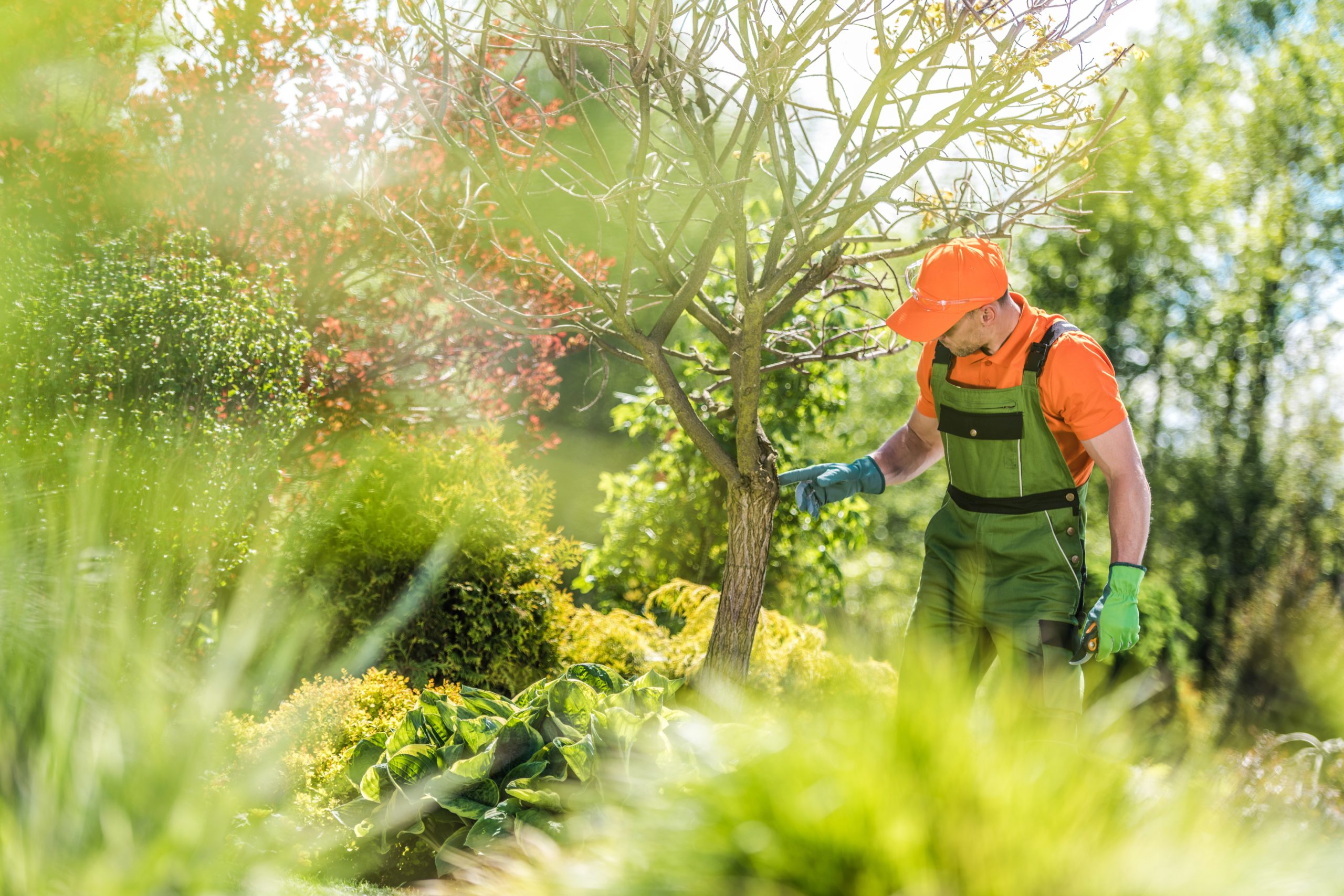
Understanding Common Tree Problems
While resilient and a cornerstone of our ecosystem, trees can encounter various issues that endanger their health and longevity. Awareness of these problems is crucial for anyone with trees on their property. Pest infestations, diseases, environmental stresses, and nutritional deficiencies can pose significant threats if left unchecked. Early identification of such issues is the first step toward effective management. Tree health impacts the trees themselves and affects property values, wildlife habitats, and the aesthetic appeal of landscapes. Understanding these challenges is vital in regions like Rippon, where community green spaces are valued. Tree Services in Rippon provides insights and professional help for identifying and managing these problems, ensuring vibrant and resilient tree populations.
Identifying Pest Infestations
For tree owners, pest outbreaks can quickly turn into a nightmare. Insects such as aphids, caterpillars, and beetles devour leaves and bark, leading to considerable damage if not managed swiftly. Infestation signs include unusual leaf shedding, holes in foliage, and sticky substances, often honeydew, on leaves, which can further attract mold. Observing these symptoms promptly is crucial for early intervention. An integrated pest management strategy can achieve sustainable control of these pests. This strategy combines biological controls, like introducing natural predators and chemical treatments, as a last resort. Not only does this approach help eliminate pests, but it also preserves the local ecosystem. For those looking for in-depth methods, the Eco-Landscaping guidelines offer extensive advice on non-toxic solutions that can be implemented in urban and rural settings.
Dealing with Tree Diseases
Tree diseases, such as blights, cankers, and mildews, can quickly go unnoticed and cause leaf discoloration, cankers on trunks, and twig diebacks. Dutch elm disease and oak wilt are highly destructive. Proactive measures like pruning, improving aeration, and ensuring nutrient availability are crucial for managing and mitigating these diseases. Trees with good overall health are less susceptible to infections. Promoting biodiversity through planting various tree species can reduce disease risk. Routine inspections help detect diseases early, allowing for timely interventions.
Navigating Environmental Stress
Environmental stressors like drought, pollution, and soil compaction significantly threaten trees, causing wilting leaves, stunted growth, and increased vulnerability to pests and diseases. Regular maintenance practices, such as watering, irrigation systems, and mulching, are crucial for combating these stresses. Selecting drought-resistant species in arid regions and ensuring proper tree placement to prevent pollution exposure and soil compaction can also help. The Arbor Day Foundation provides guidelines for sustainable tree care, emphasizing the importance of adapting to and mitigating environmental impacts.
Correcting Nutritional Deficiencies
Nutritional deficiencies can significantly impact tree health, affecting growth rates, flowering, and fruit production. Signs like chlorosis indicate a lack of essential nutrients like nitrogen, phosphorus, potassium and micronutrients like iron and magnesium. Soil tests can diagnose these deficiencies and help determine an appropriate fertilization regimen. Considering the tree type, soil condition, and environmental factors, fertilizers should be applied thoughtfully. Periodic reassessment ensures trees receive the necessary nutrients for optimal health and longevity.
Resolving Root Problems
The foundation of a tree’s health lies in its root system. Roots are essential for the tree’s stability, nutrient absorption, and water uptake. However, issues such as girdling roots, which grow in a circular pattern constricting the trunk, or poor soil conditions can severely hinder a tree’s well-being. Soil aeration can promote healthy root growth by improving oxygen and nutrient flow. Ensuring that the soil remains well-draining and avoiding excessive watering prevents root rot and fungus from taking hold. Mulching around the tree’s base while ensuring it doesn’t contact the trunk directly can conserve moisture and regulate soil temperature, fostering robust root systems.
Managing Structural Damage
Structural damage often results from natural events like storms, high winds, or human activities such as incorrect pruning and construction activities. Such damage threatens the tree’s integrity and poses risks to surrounding structures and people. Ensuring prompt responses to storm-damaged trees by removing hazardous branches and employing corrective pruning is essential. Trees can preserve their natural shape while lowering the chance of future harm by using techniques like bracing and cabling to strengthen weak branches and increase stability. By establishing routine evaluations, possible risks can be proactively identified and dealt with before they become more serious problems.
Seeking Professional Assistance
While many tree issues can be managed with careful attention and effort, some situations require the skills and knowledge of professionals. Arborists are trained to identify and treat complex tree problems with precision. They offer invaluable services, such as tree health assessments, precision pruning, and advanced pest and disease management tailored to specific needs. For those in and around Rippon, reaching out to Tree Services ensures access to expert solutions and provides peace of mind that your trees are receiving the best possible care. By integrating professional insights with personal efforts, tree owners can ensure their green companions thrive and contribute to a vibrant ecosystem.
