

Table of Contents
- The Evolution of Heating Technologies
- The Role of Sustainability in Heating Solutions
- Smart Heating Systems: The New Frontier
- The Cost Benefits of Modern Heating Developments
- The Impact of Government Policies on Heating Solutions
- Challenges Facing the Commercial Heating Industry
- The Role of Data in HVAC Systems
- Looking Ahead: Future Prospects and Innovations
The world of commercial heating repair is constantly evolving, driven by technological advancements and the need for improved efficiency. For businesses, staying updated with these trends is crucial not only for ensuring operational efficacies, such as maintaining ideal temperature conditions but also for aligning with increasingly stringent environmental responsibilities. This comprehensive guide delves into the trends and innovations that are shaping the future landscape of commercial heating, providing insights crucial for stakeholders in making informed decisions.
The Evolution of Heating Technologies
The evolution of heating technologies has been a fascinating journey from basic heat production methods to sophisticated energy-efficient systems. Initially, commercial settings relied heavily on iron radiators and coal-based boilers, which required extensive manual control and maintenance. Today, with technological progress, we’ve shifted towards using advanced heat pumps and condensing boilers that incorporate smart technology for superior performance. These modern systems offer enhanced safety features and greater control over heating operations and are designed to maintain optimal efficiency. The historical shift signifies how innovation continually tailors solutions to meet the needs of the modern world’s diverse heating requirements.
The Role of Sustainability in Heating Solutions
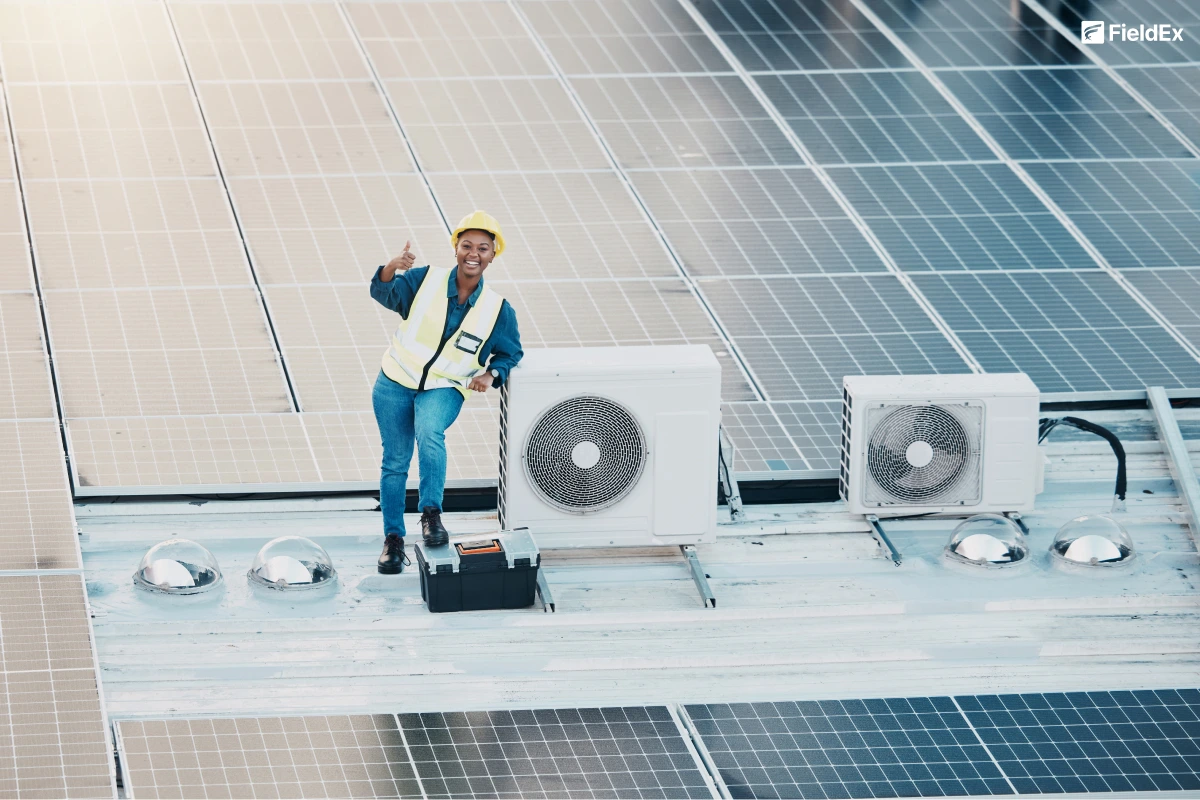
With climate change and environmental sustainability becoming pressing global issues, the focus on sustainable heating is intensifying across the commercial sector. Systems incorporating renewable energy sources, like solar-assisted HVAC units, underscore the shift. These solutions not only help reduce carbon footprints significantly but also align with corporate social responsibility goals. In fact, sustainable practices in heating systems come with long-term cost benefits despite potential upfront investments. Companies adopting energy-efficient solutions can expect to see reductions in utility costs, positioning themselves favorably in terms of regulatory compliance and public perception.
Smart Heating Systems: The New Frontier
Smart heating systems are leading the charge in revolutionizing how commercial heating is approached. The principle lies in enabling systems to do more with less intervention. Equipped with Internet of Things (IoT) capabilities, these systems can automatically adjust heating levels based on environmental input and user preferences, providing optimal comfort and energy savings. For instance, integration with building management systems allows for seamless coordination with other utilities, driving down costs and boosting efficiency. The convenience and adaptability offered by these systems highlight their potential to become a cornerstone in future commercial infrastructures.
The Cost Benefits of Modern Heating Developments
Beyond the technological marvel, the financial implications of modern heating solutions are compelling. Businesses facing high energy expenditures can greatly benefit from installing modern systems that prioritize energy efficiency. The reduced operational costs due to lower energy consumption, coupled with minimal maintenance requirements, present a convincing case for investment. Moreover, as energy prices continue to surge, the importance of efficient systems becomes even more pronounced. Beyond direct savings, businesses can also leverage governmental incentives designed to offset the initial costs associated with adopting newer technologies.
The Impact of Government Policies on Heating Solutions
Governmental policies related to energy and emissions significantly influence the direction of the commercial heating industry. Regulations mandating certain efficiency benchmarks encourage companies to innovate and adopt greener technologies. Various incentives, such as tax rebates and grants, further cultivate an environment conducive to the rapid adoption of new systems. Understanding the interplay of policies and technological advances is crucial for businesses striving to remain competitive and compliant. Such policies often act as catalysts for accelerating the shift towards adopting more sustainable, innovative heating solutions.
Challenges Facing the Commercial Heating Industry
The commercial heating industry is confronted with several challenges that impede its growth and innovation. High upfront costs associated with deploying advanced heating systems can be a deterrent for many businesses. Moreover, there is a persistent shortage of skilled professionals capable of operating and maintaining these complex systems. Finally, achieving a unified standard for technology adoption amidst diverse regulations globally adds another layer of complexity. However, addressing these issues through industry partnerships and continuous education, as outlined in recent industry news on advancements, is pivotal to smoothing the path to modernization.
The Role of Data in HVAC Systems
Data is an invaluable asset in the realm of HVAC systems, driving efficiency and reliability. Predictive analytics enable building managers to anticipate failures before they occur, ensuring uninterrupted service and extending equipment lifespan. Real-time data facilitates ongoing optimization of system performance, leading to enhanced energy savings and operational excellence. As data integration deepens, HVAC systems will continue to benefit from increased automation and decision-making capabilities, marking a new era in precision-driven building management.
Looking Ahead: Future Prospects and Innovations
The future of commercial heating promises even greater innovations influenced by the integration of artificial intelligence and renewable energies. These next-generation solutions are expected to offer unprecedented levels of customization and efficiency. For example, AI-driven analytics can refine indoor climate control to a granular level, adjusting airflows and external air intake based on real-time occupancy and weather conditions. Coupled with renewable technologies such as geothermal and solar power, these advancements not only cater to increased ecological mandates but also offer a visionary path toward sustainable modernization.
