

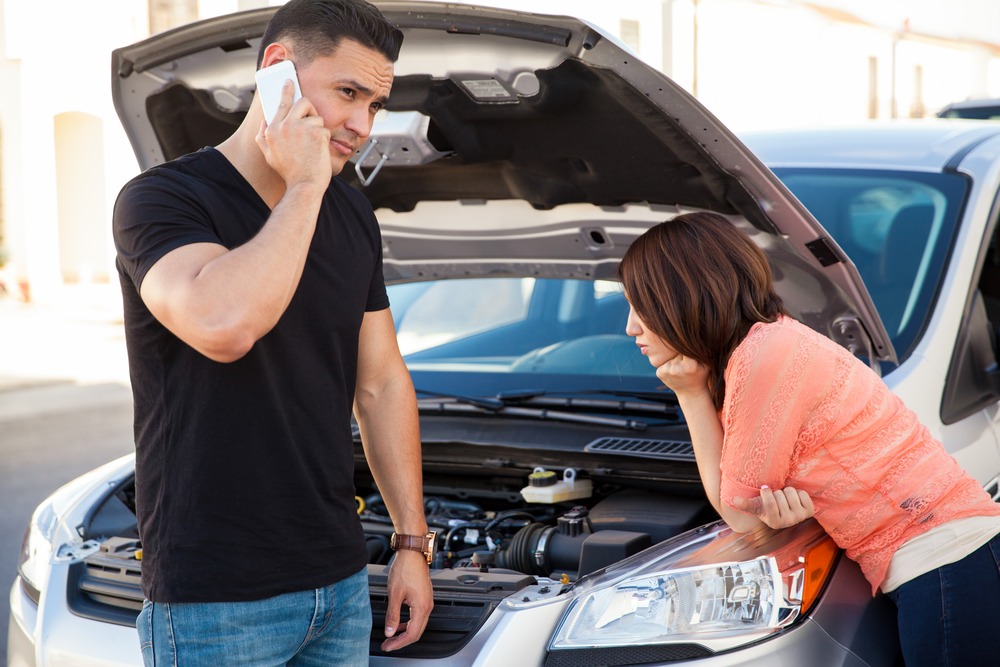
When your car breaks down on the road, it can be a stressful experience, especially when you’re left waiting for emergency towing assistance. While it’s important to remain calm and patient, it’s equally crucial to prioritize safety. The uncertainty of how long the wait might be or the environment around you can add to the tension. We will explore ways to stay safe while waiting for Emergency Roadside Assistance in Bradenton, from maintaining visibility to ensuring personal security. By following these tips, you can ensure that you are safe and prepared for any unexpected situations while waiting for help.
Position Yourself and Your Vehicle Safely
One of the most crucial steps to take when you’re stranded on the side of the road is to position your vehicle correctly. If possible, try to pull your car off the main roadway and onto a shoulder or safe area. This can help prevent potential accidents caused by passing vehicles. It’s advisable to park your car in a way that makes it visible to other drivers, ensuring that your hazard lights are turned on. These flashing lights will alert other drivers that your vehicle is in distress. If you’re on a highway or a road with high-speed traffic, consider placing a warning triangle or reflective markers at a safe distance behind your car to warn approaching drivers.
If your car is stuck where moving seems dangerous, stay inside the vehicle with your seatbelt fastened. Always avoid standing outside near traffic as it increases the risk of accidents. Be mindful of your surroundings and stay calm while waiting for assistance. By safely positioning your vehicle and yourself, you can reduce the chance of becoming involved in a traffic-related incident while waiting for roadside help.
Communicate with the Emergency Towing Company
Once you’ve contacted an emergency towing company, it’s essential to maintain clear communication. Provide the dispatcher with your exact location, including nearby landmarks, mile markers, or intersections. This will help the towing company reach you more efficiently. If you can use GPS or a location-sharing feature on your phone, share that information with the dispatcher to ensure accurate directions. Some companies may also request details about your vehicle’s make and model to prepare for the appropriate equipment upon arrival.
Additionally, keep your phone charged while waiting. A charged phone keeps you in contact with the towing service and provides a safety net in an emergency. If your phone’s battery is running low, consider turning off unnecessary apps and services to preserve battery life. Sometimes, your phone might be your only lifeline, so staying connected and reachable is critical.
Be Aware of Your Personal Security
While waiting for roadside assistance, it’s important to be mindful of your security. Unfortunately, some individuals may take advantage of vulnerable situations, so always stay alert. If you’re on a busy highway, it’s best to remain inside your vehicle to avoid attracting unwanted attention. Lock your doors and avoid engaging with strangers unless you are sure they are offering legitimate assistance. If someone approaches you claiming to help, you can always ask for identification or direct them to call the towing company for verification.
Trust your instincts and contact law enforcement if you feel uncomfortable or sense danger. It’s always better to err on caution, especially in uncertain situations. If you’re in a particularly isolated area, sharing your location with a friend or family member can provide an added layer of security. Keeping your windows slightly cracked for ventilation while keeping the doors locked is a good practice, as it helps you remain aware of your surroundings while not compromising your safety.
Stay Visible to Other Drivers
Ensuring that other drivers can see your vehicle is crucial in preventing accidents. While your hazard lights will help alert approaching drivers, enhancing your visibility further is a good idea. Use reflective vests, cones, or additional warning triangles to make your vehicle more noticeable, especially in low-light conditions or during nighttime breakdowns. Always place these markers a safe distance from your car, ideally behind it, so that other drivers can slow down in time.
During the day, visibility can be less of a concern, but in low-visibility conditions like fog or rain, even bright daylight can make it hard for others to see you. In these conditions, it’s important to ensure your hazard lights function well and that any reflective or brightly colored materials are used. Additionally, keeping your vehicle’s headlights on, even in daylight, can help you stand out from others on the road. Your visibility is key to ensuring that you and the drivers around you remain safe while waiting for roadside assistance.
Waiting for roadside assistance can be stressful, but prioritizing your safety can help ensure the situation remains manageable. Each step is important, from positioning your vehicle safely and staying visible to other drivers to communicating effectively with the emergency towing company and being aware of your security. Preparing for weather conditions and staying calm will also provide a safer experience while waiting for help.
