

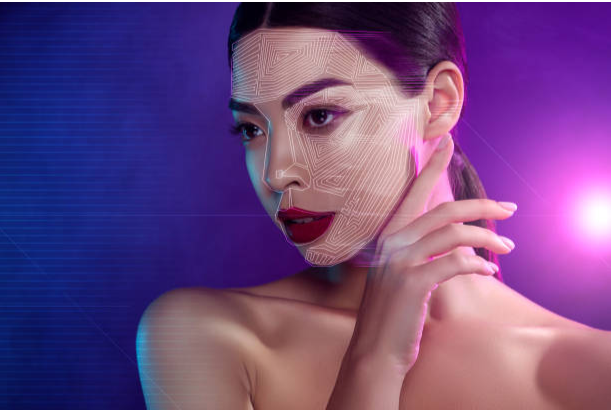
The beauty industry has undergone significant transformations over the past few years, driven by technological advancements that have revolutionized skincare and cosmetic treatments. Among these innovations, artificial intelligence (AI) has emerged as a key player in enhancing beauty solutions.
From personalised skincare recommendations to advanced facial recognition for skin analysis, AI development companies are reshaping how individuals approach beauty and self-care.
In this article, we will explore the role of AI in modern beauty solutions and its impact on the industry.
What Is AI in Beauty?
A notable player in this domain is Evelab Insights – AI Beauty Solutions Expert, which utilizes cutting-edge AI technologies to deliver precise skin assessments and personalized beauty recommendations, revolutionizing the way individuals approach their skincare routines.
AI-powered beauty solutions are increasingly popular because they offer a higher degree of precision and personalisation than traditional methods. They allow beauty brands and professionals to deliver more effective results while enhancing customer satisfaction. From skincare apps to smart devices, AI is helping consumers make more informed decisions about their beauty routines.
AI-Powered Skin Analysis
One of the most exciting applications of AI in beauty is skin analysis. AI-powered skin diagnostic tools are now being used in beauty clinics and at-home devices to assess the health and condition of the skin. These tools use computer vision and machine learning algorithms to analyse a person’s skin in great detail.
For example, AI-powered apps or devices can analyse a person’s face to detect signs of ageing, wrinkles, pigmentation, acne, and other skin concerns. By assessing the skin’s texture, tone, and moisture levels, AI can provide highly accurate diagnostics that help professionals or consumers choose the most appropriate skin care products or treatments.
These tools take the guesswork out of skincare, providing personalised solutions based on real data. This level of precision enables more targeted treatments, leading to better results over time. With AI’s ability to track changes in skin over time, users can monitor improvements or adjustments needed in their skincare routines.
Personalised Skincare Recommendations
AI is also playing a crucial role in the creation of personalised skincare routines. Traditional skincare shopping often involves trial and error, with individuals purchasing products that may not be suited to their unique skin types. AI technology, however, helps users make informed decisions by analysing factors like skin type, age, gender, environmental conditions, and individual concerns such as acne, wrinkles, or dryness.
AI-based apps and platforms can ask users a series of questions or use data from skin analysis to recommend skincare products tailored specifically to their needs. These AI-powered recommendations take into account a person’s specific skincare goals and provide a curated selection of products to address those needs effectively.
Some beauty brands have incorporated AI into their product development process as well. For example, AI can be used to formulate skincare products that are customised to meet the needs of different demographics, based on trends and data from user preferences.
Virtual Try-Ons and Augmented Reality
Another significant contribution of AI to the beauty industry is the use of augmented reality (AR) for virtual try-ons. With AR technology, consumers can virtually apply makeup or test hair colours without the need to physically try them on. AI enhances this process by using computer vision to detect a person’s facial features, allowing for a more realistic and accurate experience.
Virtual try-ons powered by AI can be found on beauty retailer websites, where users can upload a photo or use their smartphone camera to see how different products will look on their skin. Whether it’s testing out a new lipstick shade, trying on foundation, or experimenting with a new hairstyle, AI’s ability to simulate how products will appear on an individual’s skin tone and face shape is improving the way people shop for beauty products.
This not only enhances the shopping experience but also boosts consumer confidence in their purchases. With AI-powered virtual try-ons, customers can make more informed decisions and avoid the disappointment of buying products that don’t suit their needs or expectations.
AI for Advanced Facial Treatments
AI technology has also found its way into more advanced beauty treatments, particularly in the realm of non-invasive facial procedures. Some aesthetic clinics now use AI-powered devices to enhance facial treatments like microdermabrasion, chemical peels, or skin resurfacing.
These AI-powered devices are equipped with sensors and algorithms that monitor the skin during the treatment, ensuring that the correct amount of pressure or product is applied. AI can also track skin reactions and adjust the treatment accordingly in real-time. This helps improve the effectiveness of treatments while ensuring that they are tailored to each individual’s unique skin needs.
For example, some advanced lasers used in facial treatments are now equipped with AI, enabling them to automatically adjust based on the patient’s skin type, tone, and specific concerns. This results in a safer, more precise treatment, enhancing both the outcomes and the overall patient experience.
AI and Beauty Product Development
The beauty industry is also using AI in the development of new products. By analysing vast amounts of data, AI can help companies identify trends and gaps in the market, allowing them to develop products that meet emerging consumer demands. This can include identifying new ingredients that may be beneficial for skin care, creating more effective formulations, or developing products that cater to previously underserved demographics.
Additionally, AI can optimise the testing and formulation process by predicting the effectiveness of different ingredients and combinations. This allows beauty companies to develop innovative products faster and with more precision, leading to better results for consumers.
The Future of AI in Beauty
As AI technology continues to evolve, its role in the beauty industry is expected to expand even further. We can expect even more personalised, data-driven beauty solutions in the future. AI will continue to shape the way beauty products are developed, marketed, and sold, making it easier for consumers to find the right products for their skin.
Furthermore, the integration of AI with other emerging technologies, such as 5G and IoT (Internet of Things), could lead to even more seamless and efficient beauty experiences. For example, AI-powered devices could work in conjunction with smart mirrors or wearables to track and adjust skincare routines in real-time, ensuring that individuals get the most out of their beauty regimens.
Conclusion
AI is transforming the beauty industry by making skincare and cosmetic treatments more personalised, precise, and accessible. From advanced skin analysis and tailored product recommendations to virtual try-ons and AI-powered facial treatments, the technology is reshaping how individuals approach beauty. As AI continues to advance, we can expect even more innovative solutions that will further enhance the consumer experience and improve the effectiveness of beauty products and treatments. For those looking for more personalised and effective beauty solutions, embracing AI technology may be the key to unlocking a more radiant, confident version of themselves.
