

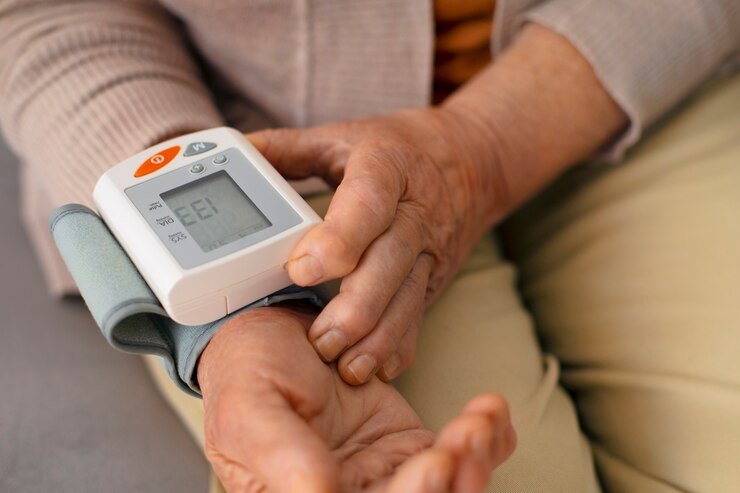
Hypertension, or high blood pressure, can be described as a creeping disease as it does not exhibit serious symptoms but if left untreated, can result in a heart attack, stroke, or other fatal medical conditions. It is crucial to routinely check for high blood pressure since active dedications for its management will avert the development of adverse health consequences. Considering the sphygmomanometer price, selecting the right device becomes an important factor in ensuring accessibility and accurate measurements. As most people seek healthcare, it is vital to measure blood pressure since it can help predict the likelihood of heart disease and offer guidance on addressing the issue. Abnormal blood pressure also has meaning and helps doctors as an assessment of the state of the heart and blood vessels. Before performing any operations, however, accurate blood pressure is an intrinsic determinant of health stability and risk assessment for the subsequent procedure.
How a Sphygmomanometer Measures Blood Pressure
Blood pressure is the level of force applied by the blood on the walls of blood vessels as it circulates throughout the body. It is usually expressed as two numbers separated with a slash:, the systolic value over the diastolic value (both units in mmHg). Such readings are significant with regard to your heart health.
Systolic Pressure (as seen in the top number):
-
This determines the force applied on the arteries as the heart beats and rejuvenates blood in the body.
-
It reflects the highest pressure experienced in the arteries during the phases of the heart cycle.
-
Normal systolic pressure is approximately 120 mmhg. Any number greater than this would indicate a possible increase in risk factors for heart diseases or strokes.
-
Systolic pressure greater than 140 mmHg is most commonly regarded as hypertension.
Significance:
Indicator of Heart’s Workload: The systolic reading of the blood pressure reflects the tension the heart is exerting in pumping its blood into the arteries. High tension in the systolic pressure tends to indicate that the heart pumps harder than normal.
Early Indicator of Cardiovascular Risk: Among the indicators of increased risk for heart disease and stroke, elevated systolic pressure above 130 mmHg is primarily significant in people over 50.
Effect of Aging: With age, arteries become stiff, which increases systolic readings. That is why systolic pressure is a more crucial marker of heart health in older adults.
Normal Range: Less than 120 mmHg
Elevated Range: 120–129 mmHg
Hypertension Stage 1: 130–139 mmHg
Hypertension Stage 2: 140 mmHg or higher
Hypertensive Crisis: 180 mmHg or higher
Diastolic Pressure (the bottom number):
-
This is the pressure experienced in the arteries as the heart rests between beats, while in its ventricular relaxation or diastole.
-
It is an expression of the lowest pressure the arteries attain.
-
Normal diastolic blood pressure is between 80 mmHg. Anything about 90 mmHg may be a sign of a condition known as hypertension.
Significance:
Resting Heart Health: Diastolic blood pressure is the resting tension in the arteries due to the heart’s muscle relaxance or state of not pumping or performing action. It reflects arterial condition and the heart condition due to muscle relaxation.
Vascular status: High diastolic readings might indicate stiffening, hence narrowing of the vessels; this may increase over time the risk of experiencing coronary events, stroke, or injury in kidneys.
Significance in Young Adults: Diastolic pressure is a greater danger for young people as it is less probable to increase with age than systolic pressure.
Normal Range: Less than 80 mmHg
High Range: Less than 80 mmHg (with a higher systolic)
Hypertension Stage 1: 80–89 mmHg
Hypertension Stage 2: 90 mmHg or greater
Hypertensive Crisis: 120 mmHg or greater
What Do the Readings Indicate?
Blood pressure is another indicator of cardiovascular health, measured in millimeters of mercury (mmHg) and usually expressed as two numbers: systolic pressure (the top number) and diastolic pressure (the bottom number).
Here’s a breakdown of the different ranges and their significance:
Common Factors That Affect Readings
Posture:
Sitting with feet flat and arm at heart level gives accurate readings. Crossing legs or arm position too high/low can alter results. Sit with feet flat, back supported, and arm relaxed at heart level.
Cuff Placement:
Incorrect cuff size or placement can lead to inaccurate readings. Use the correct cuff size and place it on the upper arm, 1 inch above the elbow, at heart level.
Lifestyle Factors:
-
High salt intake can increase blood pressure.
-
Physical activity is considered essential to lower blood pressure.
-
Stress and poor sleep are chronic causes of increased blood pressure.
-
Maintain a healthy diet, exercise, regulate stress, and get enough sleep.
Tips for Accurate Readings at Home
Use the Right Cuff Size: The cuff should fit properly for accurate readings.
Position the Arm Properly: The arm should be held at heart level and supported during measurement.
Ensure a Relaxed Environment: The patient should rest for 5 minutes before the measurement.
Place the Cuff Correctly: The cuff should be placed 1 inch above the elbow on bare skin.
Use Correct Technique for Manual Devices: Inflate the cuff to 20-30 mmHg above the systolic pressure and deflate slowly.
Take Multiple Readings: Measurement of 2-3 times and average for accuracy
Calibration: Ensure that calibration of your device is regular for obtaining accurate reading.
Avoid caffeine, smoking, or exercise for 30 minutes before taking a measurement.
Best Practice: Wait at least 30 minutes after intake of caffeine, smoking, or exercise before measuring blood pressure.
Accurate measurement of blood pressure is important in diagnosing and managing cardiovascular health. If best practices are followed—proper cuff size, proper posture, and relaxation—critical healthcare providers will have been able to get very valid readings. Using reliable devices such as the MCP Palm Type Sphygmomanometer further ensures dependable results. Regular calibration of a sphygmomanometer or being consistent in measurement techniques enhances the likelihood of accuracy. The guideline observed, therefore, will help in early detection of the case and conditions such as hypertension by giving the necessary time for timely interventions to ensure better health status. However it is done in a hospital setting or at home, careful attention to these practices ensures that blood pressure monitoring remains a powerful tool for maintaining overall well-being.
