

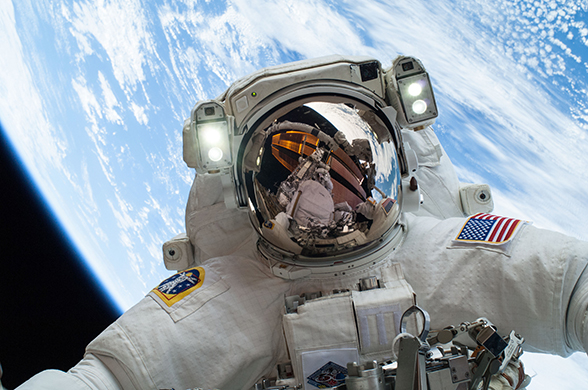
When we think about space exploration, we often imagine astronauts floating in zero gravity, performing complex operations, or even gazing out the windows of their spacecraft at the vast expanse of the universe. But if you look closely, you’ll notice something else: Velcro. It’s not a detail that gets much attention in the grand narrative of space missions, but it has played a significant role in making those missions successful, especially during the Apollo program. Velcro tape, a simple yet effective tool, was used in a variety of ways to help astronauts stay organized and keep essential equipment within easy reach during their missions. Let’s explore how Velcro found its place in the spacecraft, contributing to a smoother and more efficient experience for astronauts.
Securing Equipment in a Weightless Environment
One of the biggest challenges of working in space is the lack of gravity. In a spacecraft, everything that isn’t tied down will float away. This includes checklists, tools, and even small pieces of equipment that astronauts need during a mission. Keeping these items secure in a microgravity environment was a top priority. Enter Velcro tape.
Velcro was used extensively on both the Apollo Command Module (CM) and the Lunar Module (LM) to secure checklists, tools, and other important items to instrument panels or bulkheads. Astronauts could easily attach and remove objects as needed, without the risk of them floating away into the void of the spacecraft. Whether it was a checklist to ensure the astronauts were following the correct procedures or a tool required for a specific task, Velcro ensured that everything was right where the astronauts needed it. It was simple, reliable, and allowed astronauts to work more efficiently in a challenging environment.
An Unlikely Helper for Space Exploration
At first glance, Velcro might seem like an odd choice for a space mission. After all, it’s a relatively humble invention, designed for mundane tasks like keeping shoes or clothing together. But its simplicity turned out to be its strength. For the Apollo program, Velcro tape provided a practical and cost-effective solution for keeping things organized inside spacecraft. It wasn’t just for securing checklists, either. Velcro was used to hold a wide range of items, from food packages to scientific equipment. The fact that it was lightweight and easy to use made it ideal for space missions, where every ounce of weight and every second of time is crucial.
In many ways, Velcro’s role in spacecraft highlights an interesting aspect of space exploration: how innovation often comes from finding simple solutions to complex problems. While we often think of space technology as cutting-edge and high-tech, some of the most important tools were surprisingly low-tech but nonetheless effective.
A Crucial Part of Astronaut Daily Life
Astronauts spend a lot of time inside their spacecraft, and keeping everything organized can be difficult, especially when you’re in a confined, weightless space. Velcro played a key role in helping astronauts maintain a sense of order during their missions. With so many items floating around, having an easy way to secure things, especially important documents like mission checklists—was crucial.
Think about it: when you’re on a spacecraft, every moment counts. Having your checklist or tools floating away would be a nightmare. Instead, astronauts used Velcro to ensure everything was neatly secured and easily accessible. They could quickly remove and attach items as needed, whether it was grabbing a tool for a repair, consulting a manual, or making sure they were following the correct sequence of steps during a spacewalk or lunar landing. Velcro made sure they weren’t fumbling around for things, saving time and reducing stress.
Velcro’s Legacy in Space Technology
The success of Velcro in the Apollo program laid the foundation for its continued use in later space missions. Its ability to keep things in place in zero gravity without the need for complicated fasteners or adhesive materials made it an invaluable tool not just during the Apollo missions, but in later space programs, too. As NASA and other space agencies continued to send humans into space, the need for simple and reliable organizational solutions only grew.
Today, Velcro is still used on spacecraft, including the International Space Station (ISS). It’s used to hold equipment in place, organize tools, and even keep personal items secure in the astronauts’ quarters. Its versatility and adaptability make it a constant presence in space missions, helping astronauts focus on the tasks at hand without worrying about their belongings floating away.
Beyond the Spacecraft: Velcro’s Role in Other NASA Technologies
Interestingly, Velcro’s influence didn’t stop at the spacecraft. Its application in space technology has even extended to spacesuit design. Velcro tape is used to secure different parts of the spacesuit, including gloves, boots, and helmets. The material’s flexibility and strength make it ideal for creating a secure fit that can withstand the rigors of space exploration.
Beyond its physical role, Velcro has also contributed to the development of tools and equipment used in space exploration. Its role in spacecraft organization and tool management inspired many other innovations that prioritize simplicity, efficiency, and reliability. From spacesuits to spacecraft interiors, Velcro’s continued use in space exploration is a testament to its versatility.
Conclusion: A Simple Solution with Big Impact
When we think of space exploration, we often focus on the groundbreaking technologies and complex machinery that make space travel possible. But sometimes, the simplest solutions are the most effective. Velcro tape, in its humble form, played a vital role in making the Apollo missions—and many others—successful. Its ability to secure equipment and keep things organized in a zero-gravity environment helped astronauts stay focused on their missions and avoid unnecessary disruptions.
Velcro’s continued presence in spacecraft and spacesuits reminds us that even the most basic tools can have a profound impact on the success of human space exploration. As we continue to explore the cosmos, who knows how many other everyday solutions will play a crucial role in the future of space technology? Velcro may have started as a small idea, but its legacy in space exploration is undeniable.
