

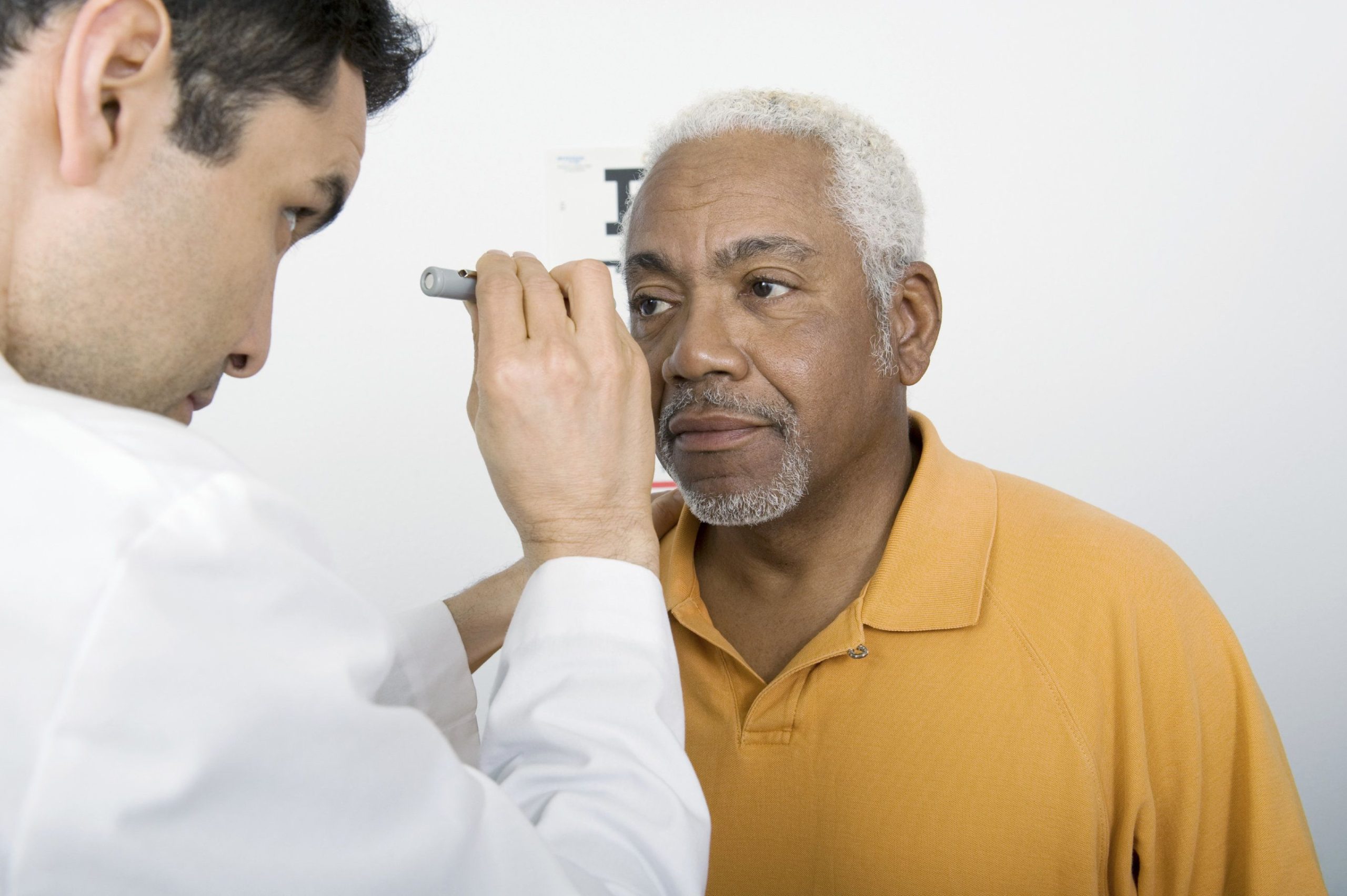
Diabetes affects millions of people around the globe and can lead to various complications throughout the body, including the eyes. Among these issues, diabetic retinopathy, diabetic macular edema, and glaucoma are some of the most common eye problems encountered by diabetic patients. Identifying these complications in their early stages helps to protect one’s vision and overall quality of life. Here is how detecting eye conditions quickly may prevent major optometry issues:
Navigating No Symptoms in Early Stages
Many eye complications related to diabetes begin with no visible symptoms. It’s possible for significant damage to occur without noticeable changes in vision, making it easy for individuals to miss warning signs. For instance, diabetic retinopathy, caused by damage to blood vessels in the retina, often progresses silently before visual disruptions arise. These issues can reach stages that are more difficult to manage if they are left unchecked.
Patients often only recognize there’s a problem once their sight begins to deteriorate, yet the underlying complication may have been developing for years. Regular eye examinations with an optometrist are highly recommended for diabetic individuals. Optometry specialists use advanced imaging technology, such as retinal photography, to examine the eyes closely and identify abnormalities that patients are unable to detect on their own.
Reducing the Risk of Vision Loss
Vision loss is one severe consequence of diabetic eye complications, yet it’s often preventable when complications are found early. Early intervention allows for timely treatment and monitoring, which can slow or halt the progression of damage. For example, addressing diabetic retinopathy may involve controlling blood sugar levels, using medication, or even implementing non-invasive procedures to minimize further retinal damage.
Glaucoma, another condition commonly associated with diabetes, occurs when pressure builds up inside the eye, compromising the optic nerve. Left unmanaged, it can lead to permanent vision loss. Through early detection, treatments such as eye drops, laser therapies, or surgery may help mitigate the risk of vision loss.
Implementing Preventative Measures
Preventative care plays a significant role in maintaining eye health in diabetic patients. Managing blood sugar, blood pressure, and cholesterol levels is foundational to minimizing the impact of diabetes on the body and eyes. Eating a balanced diet, exercising regularly, and avoiding smoking support better outcomes in overall health, which can also be reflected in eye health.
Routine eye exams are an essential piece of preventative care. Optometrists can detect existing complications and identify risks that may lead to future issues. Patients who integrate these strategies are better equipped to safeguard their vision and reduce the likelihood of advanced eye complications.
Preserving Eye Function
Vision is one of the most valuable senses, and preserving it impacts quality of life. For patients living with diabetes, maintaining eye function requires ongoing effort and collaboration with healthcare providers. By building a relationship with an optometry clinic, patients gain access to guidance, care, and monitoring tailored to their specific needs.
Timely action helps preserve vision over the years, supporting independence and the ability to perform daily activities. Clear vision plays a key role in how individuals experience and engage with the world. Prioritizing eye health helps diabetic patients retain these experiences for as long as possible.
Find Optometry Solutions Near You
Living with diabetes doesn’t mean accepting vision loss as inevitable. Though the early stages of many diabetic eye complications may present no symptoms, the value of regular eye exams cannot be overlooked. Detection, better diabetes management, and preventative care, all contribute to minimizing the effects of diabetes on eye health. For diabetic patients, taking proactive steps under the care of a trusted optometrist can make meaningful differences in your eye health.
