

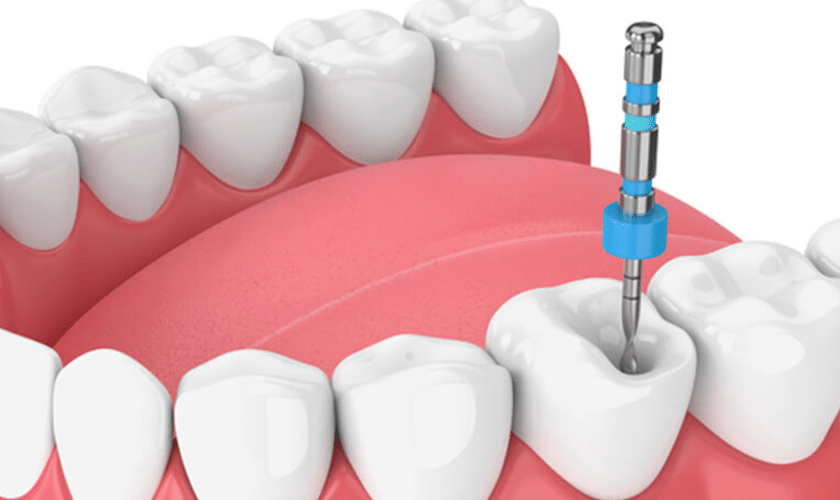
Root canal treatment is a standard dental procedure that addresses specific dental health concerns and protects teeth from further damage. It focuses on preserving natural teeth by targeting the internal structures within the tooth. Here is information about common oral health issues leading to root canal treatment, the treatment process, and the procedure’s benefits:
What Oral Health Issues Prompt Root Canal Treatment?
This treatment typically becomes necessary when the inner part of the tooth, known as the pulp, becomes damaged or infected. The pulp consists of nerves, blood vessels, and connective tissue extending from the tooth’s crown to its roots. Damage or infection of the pulp often results from advanced tooth decay, repeated dental procedures on the same tooth, or fractures that expose the pulp to bacteria.
Tooth decay is one of the most frequent reasons for this treatment. If left unresolved, decay can extend beyond the hard enamel and dentin to affect the soft pulp. Similarly, dental trauma caused by accidents or injuries may crack or fracture a tooth. This damage gives bacteria a pathway to the pulp. Chronic inflammation or infection within the pulp can lead to pain, sensitivity, or even abscess formation, making timely intervention necessary.
What Does Root Canal Treatment Encompass?
Root canal treatment involves several precise steps by a dental professional, often an endodontist. The procedure begins with the endodontist taking X-rays to assess the extent of the damage and identify any infection in or around the tooth’s root. Local anesthesia is then applied to provide a painless experience during the procedure.
The endodontist creates a small opening in the tooth’s crown to access the pulp chamber and root canals. Using specialized instruments, the endodontist removes the damaged or infected pulp entirely. Then, the endodontist meticulously cleans, shapes, and disinfects the canals to eliminate bacteria and prepare the space for filling.
Next, the endodontist seals the canals with a rubber-like material called gutta-percha. This action prevents bacteria from re-entering the tooth. The endodontist then applies a temporary or permanent filling material to close the opening in the crown. For many teeth, a crown is recommended after the procedure to restore strength and functionality. The endodontist’s precise techniques safeguard against infection and maintain the tooth’s structure.
What Are the Preserving and Preventative Benefits of Root Canal Treatment?
This treatment plays a key role in preserving natural teeth, which offers several advantages over alternatives like tooth extraction. Retaining the natural tooth allows patients to enjoy normal chewing and biting functionality without requiring extensive restorative solutions such as implants or bridges. Another benefit of this treatment lies in its ability to prevent the spread of infection. By removing the infected or damaged pulp and sealing the tooth, the procedure eliminates the infection’s source, helping protect adjacent teeth and surrounding oral tissues from being affected.
The treatment helps maintain jawbone integrity as well. A natural tooth root in the jaw keeps the bone healthy and prevents bone loss, which can occur after tooth extraction. This preservation of bone health contributes to overall oral stability and functionality.
This treatment also reduces the long-term costs and efforts associated with dental care. While the upfront cost may appear substantial, it often eliminates the need for more complex and expensive restorative procedures in the future. Addressing damaged or infected teeth promptly with root canal treatment promotes their longevity and continued usefulness.
Learn More About the Advantages of Root Canal Treatment
This treatment is reliable and effective for addressing dental health issues related to a tooth’s pulp while preserving the tooth’s natural structure. By understanding the causes of this procedure and its benefits, individuals can make informed decisions about their oral health care. If you need this procedure or want to learn more about fostering dental health, consult a qualified dental professional or endodontist.
