

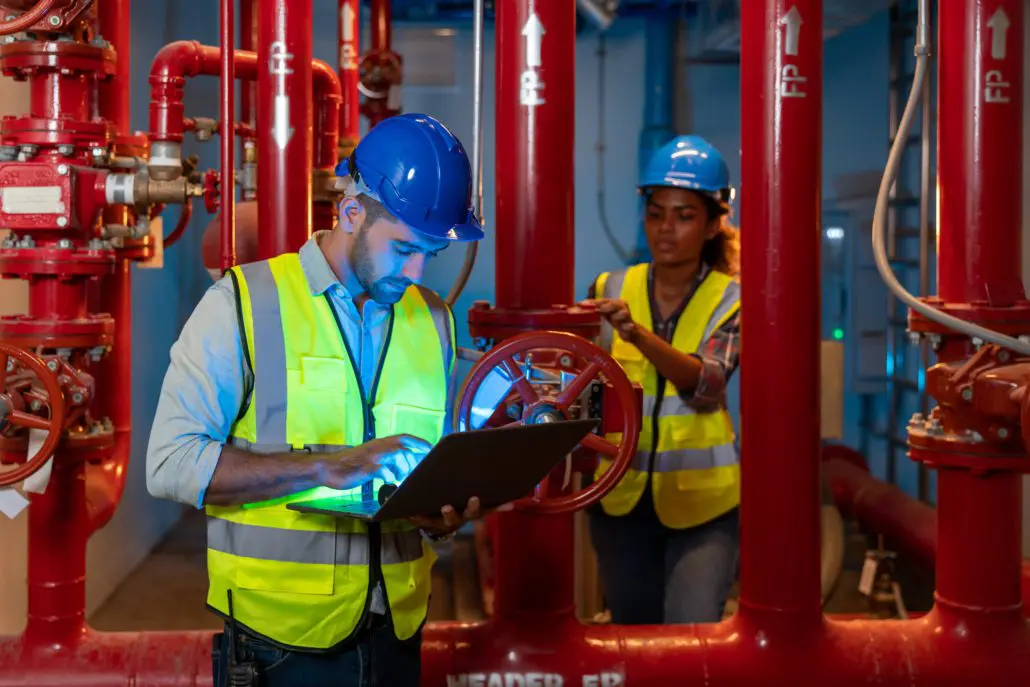
Fire suppression systems are critical in enhancing the safety and protection of people, property, and assets in commercial spaces. These systems are designed to detect and suppress fires automatically, often before they can spread and cause significant damage. The role of a fire suppression system in a commercial environment is multifaceted—it minimizes the risk to human life, reduces property damage, and helps businesses comply with fire safety regulations. Understanding the different types of fire suppression systems and their functions is essential to ensure comprehensive protection in various commercial settings.
The Importance of Fire Suppression Systems
In a commercial environment, the fires are life-threatening due to the presence of valuable equipment, large numbers of people, and flammable materials. In such places, conventional firefighting approaches present a possibly insufficient or unfeasible method to save resources and avoid catastrophic losses. The fire suppression system operates as it identifies the very first signs of a fire automatically, for instance, high temperatures, smoke, or flames, and then pours a fire-suppressing agent that is under control or extinguishes the fire. The system pays the extra layer of security against the fires if they can be handled properly early on, it is possible to prevent serious damages.
Fire Suppression Systems Types
Again, firefighting systems can be found that use distinct technologies and agents to extinguish fires. The most popular fire suppression systems mainly used in commercial sectors are:
1. Wet Pipe Sprinkler Systems
Wet pipe sprinkler systems are one of the most frequently used fire suppression systems in commercial structures. These systems are made up of pipes filled with water and linked to sprinkler heads. When a fire starts, the sprinkler heads are triggered to vent water out to extinguish the flames. Wet pipe systems raise their effectiveness especially in the regions where outside temperature stays above freezing, so they are ready fast, and always reliable in case of fire emergency. Besides, they are suitable for places with common fire hazards like offices, warehouses, or retail shops.
2. Dry Pipe Sprinkler Systems
In contrast to the wet pipe system, dry pipe sprinklers are filled with pressurized air or nitrogen, not water. Water only flows into the pipes when the system is activated, which happens when a sprinkler head is triggered by heat. This kind of fire suppression system is good for the areas that usually get freezing temperatures, such as cold storage or unheated warehouses. The dry pipe system takes care of ensuring that water does not freeze in the pipes while at the same time allowing the water to be rapidly deployed in the event of a fire.
3. Gas-Based Fire Suppression Systems
In particular situations’ commercial spaces, gas-based fire suppression systems are the most appropriate. The presence of sensitive equipment and hazardous materials necessitates this choice. These systems use inert gases like FM-200, Inergen, or CO2 to extinguish fires. The ordinary working of the gases is by taking away the oxygen from the fire, so that the fire can not breathe or, alternatively, interrupting the chemical reaction of the fire. Gas-based systems are the best choice for server rooms, data centers, and laboratories where water damage to electronic equipment is of concern. Besides, they are highly efficient and can put off a fire without leaving any residue, therefore, they are recommended to be used in places where cleanliness is very important.
4. Foam Fire Suppression Systems
Foam-based fire suppression systems are quite commonly used in places where flammable liquids are present, for instance, in chemical processing plants, fueling stations, or commercial kitchens. Such systems contribute foam to be spread all over the flame so that it will be completely put out and returned not at any time. All the foam equipment is effective for the fires that include oils, fuels, and some other combustible liquids that can be almost impossible to extinguish with water only.
5.Water Mist Systems
Water mist systems use extremely small droplets of water to put down fires. The water mist is much smaller than the water that is utilized by standard sprinklers so that the coverage is better and the water damage is less. Water mist systems very often are put into use in the areas where fastidious equipment and artifacts are kept such as museums and archives. They are also very effective in rooms with high ceilings, and large spaces, where traditional sprinkler systems are less effective.
Fire Suppression Systems and Their Role in Commercial Safety
Fire suppression systems have proved to be a necessary tool for large commercial spaces to secure themselves from the risk that uncontainable fires pose. The protection that these systems provide is mostly related to the averting of deaths and injuries through their early detection and offing of fires. A fire may catch before being easily noticed, and delay of seconds might lead to a tragedy. When a fire is contained or put out in a very short time, suppression systems give more time to people in the building to leave it and so this may help to avert any deaths or injuries.
On top of that, they help businesses to keep their costs of structural repairs down. In such circumstances, the machines, products, and the building losing value are some of the aspects of financial losses that the business suffers. A wet pipe or dry pipe sprinkler system, by way of example, would inhibit the fire from moving to the next section of the building entirely, thereby, securing the assets in question and at the same time reducing the extent of fire damage. Also, gas-based or foam systems, which in the first place are the suppression agent themselves, are no less likely to cause secondary damage as water damage is really beneficial in the places where property conservation is important.
In addition, fire suppression systems guarantee that businesses respect employees’ safety and buildings’ codes. A number of commercial spaces are legally required to install and maintain certain types of fire suppression systems that are for the safety of employees, clients, and visitors. Following these rules’ not only protection of the law but also give the impression of the commitment to the creation of a safe space for the use of all.
Conclusion
The application of fire suppression systems in the commercial section is a determining facet for the overall safety in the fields. These systems contribute significantly in saving people and property from the terrible consequences of fire. Wet pipe sprinklers, gas-based suppression, or foam systems, each type of fire suppression system, serves a specific purpose, and quickly and efficiently fires are detected and put under control. Fire suppression systems, simply put, are the most effective means of protecting life and property, as well as, ensuring compliance сontemporary commercial safety strategies.
