

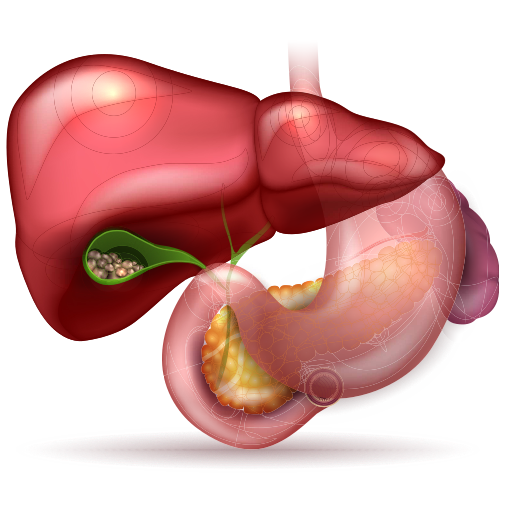
Gallstones are small, hardened deposits that can cause significant discomfort and require proper diagnosis for effective treatment. Body imaging helps detect gallstones, offering physicians clear visualization of these formations within the gallbladder and bile ducts. Here is more information on different imaging technologies and how medical professionals use these diagnostic tools to confirm the presence of gallstones:
What Is Body Imaging?
Body imaging refers to medical techniques that create visual representations of internal body structures. These non-invasive methods enable healthcare providers to examine organs, tissues, and other anatomical features without the need for surgical intervention. Medical imaging plays a valuable role in diagnosing various conditions, including gallbladder disease.
The technology works by utilizing various forms of energy to penetrate the body and create detailed images. These energy forms include sound waves, magnetic fields, and radiation. The images produced enable physicians to identify abnormalities, track disease progression, and develop appropriate treatment strategies.
What Are the Different Types?
Medical professionals utilize several imaging modalities to examine internal body structures, which help diagnose medical conditions and assess related complications. X-ray imaging utilizes electromagnetic radiation to create images of internal structures. This method works by passing X-ray beams through the body, which are absorbed differently by various tissues.
Ultrasound imaging employs high-frequency sound waves to generate real-time images of internal organs. A transducer device placed on the skin transmits sound waves into the body, which bounce back from different tissues and create detailed images on a monitor. MRI technology uses powerful magnetic fields and radio waves to create detailed cross-sectional images of internal organs. This advanced imaging method provides exceptional soft tissue contrast and can visualize structures from multiple angles.
CT scanning combines X-ray technology with computer processing to create detailed cross-sectional images of the body. The scanner rotates around the patient, taking multiple X-ray images from different angles, which are then processed to create comprehensive three-dimensional views. The choice of imaging technique depends on the patient’s symptoms and the level of detail required.
What Are Gallstones?
Gallstones are hardened deposits that form within the gallbladder, a small organ located beneath the liver. These formations develop when substances in bile become concentrated and crystallize. Gallstones vary significantly in size, ranging from tiny particles resembling sand grains to large formations comparable to golf balls. Some individuals develop single large stones, while others may have hundreds of smaller stones within their gallbladder.
How Does Body Imaging Diagnose Gallstones?
The diagnostic process typically begins with an ultrasound examination due to its high accuracy rate and non-invasive nature. During the procedure, a technician applies gel to the abdomen and moves a transducer across the skin surface. The resulting images clearly show gallstones as bright, echogenic structures within the gallbladder. When ultrasound results are inconclusive or additional information is needed, physicians may recommend other tests.
Learn More About Imaging Techniques
Body imaging serves as the cornerstone of gallstone diagnosis, providing physicians with detailed visualization of these formations and associated complications. Ultrasound remains the primary diagnostic tool due to its accuracy, safety, and accessibility. Understanding these imaging techniques can help you prepare for diagnostic procedures and communicate effectively with your healthcare provider. If you suspect gallstones based on your symptoms, consult with a medical professional who can recommend the most appropriate imaging study for your specific situation.
