

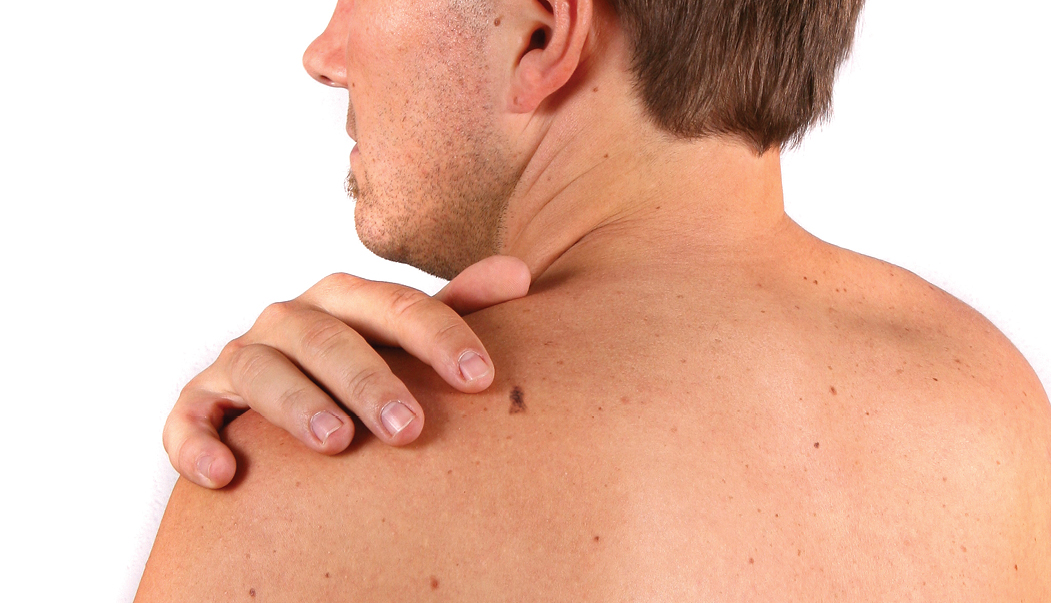
Skin cancer is a cancer that affects the most people in the United States than any other cancer. Early detection plays a key role in addressing it effectively. Learning about its signs and symptoms can help individuals stay proactive in monitoring their skin health. Here is more information on the basics of this cancer, its types, and the steps to take if you notice changes in your skin.
What Is Skin Cancer?
Skin cancer occurs when abnormal cells grow uncontrollably in the skin’s layers. These growths can invade surrounding tissues or spread to other parts of the body. It typically starts in areas frequently exposed to the sun, like the face, scalp, neck, and arms, but it can appear anywhere on the body.
Among the factors connected with skin cancer are prolonged ultraviolet (UV) light exposure, genetics, and certain medical conditions that weaken the immune system. While it may affect a variety of people, those with fair skin, a history of sunburns, or excessive sun exposure may have higher risks. Protecting and regularly monitoring your skin is part of holistic health maintenance.
What Are the Different Types?
1. Basal Cell Carcinoma (BCC)
BCC is the most common type, often developing on sun-exposed areas like the head and neck. It tends to grow slowly and rarely spreads, but if left unaddressed, it can cause damage to surrounding tissues.
2. Squamous Cell Carcinoma (SCC)
SCC often appears as scaly patches or open sores. This type frequently arises on sun-exposed areas, including the face and hands. Although more aggressive than BCC, it is still treatable when identified early.
3. Melanoma
Melanoma is the least common but most serious type of skin cancer. It develops from melanocytes, the cells responsible for skin pigment. Though it may occur anywhere, it often starts as a mole or dark spot. Early recognition is key to addressing melanoma effectively.
What Are the Early Signs?
Early signs of this cancer can vary depending on the type. The changes can appear subtle at first, so regular self-checks are useful for noticing unusual patterns. Signs to look for include:
- New Growths
Look for any new spots, moles, or skin lesions that have appeared recently and seem unusual compared to others.
- Changing Moles
Moles that grow in size, change shape, or become asymmetrical warrant attention. Changes in color, such as darkening or multiple shades in one mole, may also signal a potential issue.
- Non-Healing Wounds
An open sore or lesion that doesn’t heal, or bleeds and crusts repeatedly, may be an early warning sign.
What Treatment Options Are Available?
Treatment for skin cancer depends on its type and how far it has progressed. Options include surgical removal, curettage and electrodesiccation, photodynamic therapy, cryotherapy, and Mohs surgery. Working with a qualified medical professional is beneficial for determining the best approach.
When Should You See a Doctor?
If you spot any changes or abnormalities on your skin, such as the ones described above, it is a good idea to consult a dermatologist. Routine skin checks, especially for those with high exposure to UV light or a family history of skin cancer, can also help with timely detection. You don’t need to wait for troubling symptoms; periodic checks are part of maintaining overall skin health.
Learn More Today
Skin cancer is a concern that requires awareness and action. By learning about the signs, and conducting regular self-checks, you can take helpful steps toward prevention and early detection. If you have any questions about your skin health, reach out to a dermatologist for guidance.
