

Key Takeaways
- Discover innovative trends shaping modern home designs.
- Learn how to incorporate sustainable materials into your home.
- Explore multifunctional spaces that blend style and practicality.
Introduction to Modern Home Design
Modern home design is a dynamic fusion of innovation, sustainability, and visual appeal. It harmonizes practicality with aesthetic features that cater to the nuanced demands of contemporary living spaces. Whether you’re scouting for new homes or planning renovations in existing properties, keeping abreast of current design trends is paramount. This ensures that living environments remain not only stylish but also functional and future-ready.
This article delves into the design trends that are shaping the homes of today, offering insights on integrating transformative elements into any space. From sustainable materials to cutting-edge technology, modern homes are committed to style and ethical consumption. These emerging concepts help craft living experiences that are tailored to fit the preferences and lifestyles of the inhabitants, facilitating a unique blend of comfort and innovation.
The Rise of Sustainable Materials
As environmental consciousness proliferates, sustainable materials are becoming integral to modern home design. Products that provide long-lasting beauty and environmental advantages are becoming more and more popular among homeowners. Bamboo flooring, with its rapid regrowth rate and recycled metals that minimize waste, is a popular choice. Incorporating these materials reduces a home’s carbon footprint and aligns with a broader commitment to environmental stewardship. The expertise shared by This Old House highlights how these materials can harmonize with existing design elements, offering a seamless blend of sustainability and style.
Beyond flooring and fixtures, many are turning to eco-insulation and energy-efficient windows to optimize their home’s environmental impact. By choosing materials that are produced sustainably and by using renewable sources, homeowners contribute to conservation efforts while simultaneously enhancing their living space with high-quality finishes and durable surfaces. The rise of these materials is a testament to the shifting priorities in architectural and interior design, moving toward a future where elegance and eco-consciousness coexist.
Embracing Open Floor Plans
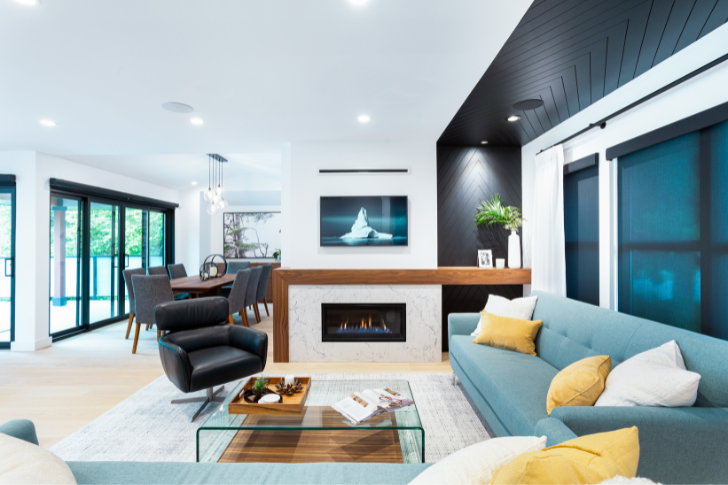
The open floor plan, distinguished by its lack of dividing walls, has become a pillar of contemporary home design. This layout fosters an inclusive environment conducive to family gatherings and social interaction. By merging living, dining, and kitchen areas, open plans create expansive environments that feel larger and more inviting, making them suitable for both large and modest homes.
Open floor plans encourage flow and connectivity, offering versatility in interior design and furniture arrangement. This flexibility allows homeowners to adapt spaces for various functions without needing structural changes. Additionally, the design is well known for improving the distribution of natural light, creating a light-filled space that elevates mood and visual appeal. It’s a practical solution that adapts to diverse lifestyle needs, reflecting the essence of modern living—flexible, sociable, and harmonious.
Integrating Smart Home Technology
Smart home technology is revolutionizing domestic life with innovations that make homes more efficient and secure. Smart lighting controls, security cameras, and thermostats are examples of devices that blend in perfectly with the home’s infrastructure and provide automated settings and mobile device control. This technological integration represents more than just convenience; it dramatically enhances energy efficiency and resource management.
Home automation extends beyond simple controls, encompassing comprehensive systems that learn user habits and optimize home functions accordingly. These advancements demonstrate a shift towards intelligent living environments that anticipate and respond to the needs of inhabitants. By integrating smart technology, homeowners can enjoy reduced energy costs, heightened security, and custom-designed comfort that adjusts to their routines, charting the future trajectory of home design.
Minimalist Aesthetics: Less Is More
Minimalism, characterized by simplicity and purposeful design, is gaining traction as a leading interior aesthetic. It emphasizes intentionality and organization, creating spaces that are serene and visually coherent. Neutral color palettes, clean lines, and uncluttered surfaces define this style, promoting a sense of order and tranquility in everyday life.
This aesthetic revolves around the mantra “less is more,” where quality and functionality are prioritized overabundance. It’s an approach that suits the modern ethos of conscious consumption and sustainable living. By curating essential items and eliminating excess, homes become reflections of personal identity and values, maximizing space and enhancing visual appeal with purposeful design choices.
The Importance of Natural Light
Natural light is a crucial component in modern home design, impacting both the visual appeal and energy efficiency of a living space. Modern designs often include expansive windows, glass doors, and skylights to maximize the influx of daylight, creating bright and inviting interiors.
The benefits of ample natural light extend beyond aesthetics; it has been shown to enhance mood, increase productivity, and contribute to overall well-being. Utilizing natural light also reduces reliance on artificial lighting, lowering energy consumption and contributing to eco-friendly living. This design principle underscores an enduring commitment to creating spaces that nurture both the environment and the individuals who inhabit them.
Creating Multifunctional Spaces
With a shift towards remote work and flexible lifestyles, the demand for multifunctional spaces within homes is burgeoning. These areas serve dual or even triple purposes, seamlessly transitioning between home office, gym, and guest accommodation. The secret to these adaptable spaces lies in smart furniture choices—think Murphy beds and convertible desks—that transform a room’s function with minimal effort.
According to Architectural Digest, designing multifaceted rooms that marry style with versatility can significantly enhance daily living. Such spaces ensure that every square foot of a home is utilized effectively, offering functionality without sacrificing aesthetic charm. This approach epitomizes the modern design ethos, which values practicality and flexibility as core components of contemporary living.
Conclusion and Future Trends
As we gaze into the horizon of future home design, it becomes clear that the guiding trends of today—sustainability, technology, and flexibility—will continue to propel the industry forward. Homes will undoubtedly become even more intertwined with adaptive technologies and sustainable practices, creating environments that are as responsive as they are innovative.
By embracing these trends, homeowners and designers alike are poised to redefine domestic living. It’s a journey towards creating spaces that are beautifully designed, eco-conscious, and fully equipped for the multifaceted lifestyles of tomorrow. These evolving concepts reflect a broader shift towards understanding homes not just as shelters but as dynamic canvases for living well and purposefully.
