

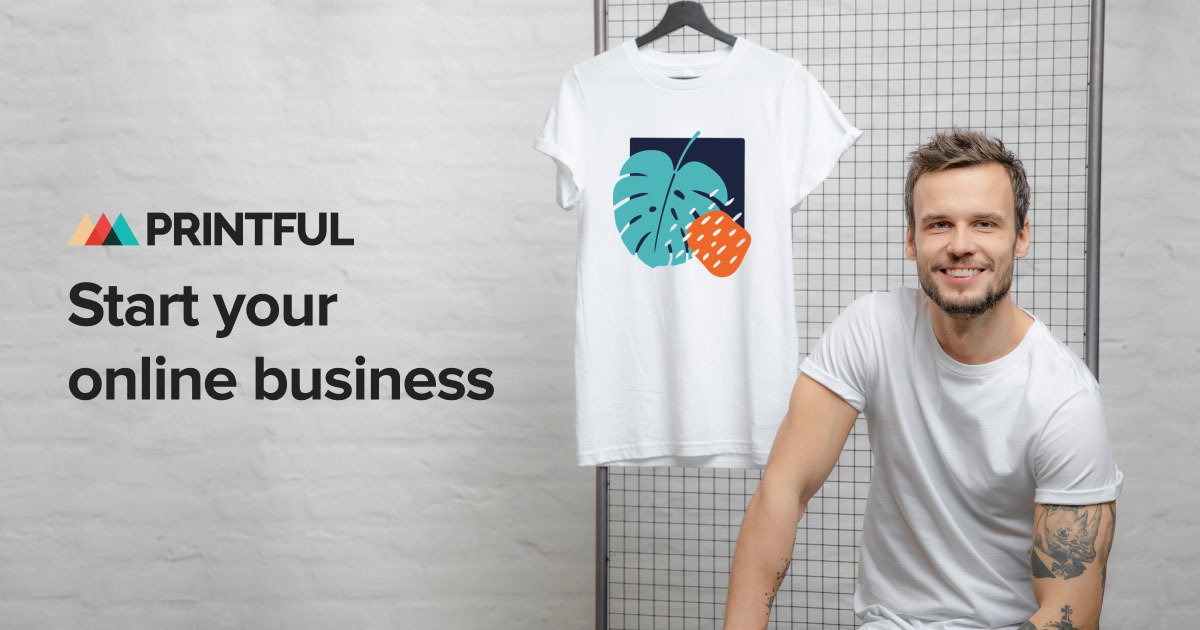
The demand for custom t-shirts continues to grow in 2025, fueled by trends in personalization, e-commerce, and sustainable fashion. Custom apparel appeals to both individuals and businesses, offering an affordable way to showcase style, promote events, or market a brand. With advancements in technology, starting a t-shirt printing business has become more accessible than ever before.
Modern equipment, including direct-to-film (DTF) and direct-to-garment (DTG) printers, simplifies production without compromising quality. These innovations allow entrepreneurs to create eye-catching designs and meet consumer demands quickly. Whether you’re looking to start small or scale up, the t-shirt printing industry presents endless opportunities.
1. Evaluating the Market for T-Shirt Printing in 2025
Understanding market trends is crucial for building a successful t-shirt printing business. Customers today expect high-quality prints, fast turnarounds, and eco-conscious options.
Niche markets, such as fitness groups, schools, corporate events, and online influencers, drive demand for custom apparel. Personalized merchandise, including slogans and artwork, resonates with younger audiences, while businesses increasingly rely on branded uniforms and promotional giveaways.
Sustainability is also shaping purchasing decisions. Many customers prefer organic cotton shirts or water-based inks that reduce environmental impact. Staying updated on these trends can give your business a competitive edge.
2. Choosing the Right Printing Methods for Maximum Profitability
Selecting the best printing technique is vital for balancing cost and quality. Each method offers distinct advantages:
- Screen Printing – Ideal for bulk orders due to its durability and cost-effectiveness. It works best for simple designs with limited colors.
- Direct-to-Garment (DTG) Printing – Suitable for detailed, multicolored prints on demand. DTG is perfect for small batches and intricate designs.
- Heat Transfer Printing – Affordable and beginner-friendly, often used for smaller orders or promotional items. It requires minimal setup.
- Direct-to-Film (DTF) Printing – A rising trend in 2025, DTF allows vibrant, long-lasting designs to be printed and transferred to various fabrics with a DTF station printer, including cotton and polyester.
- Sublimation Printing – Great for polyester fabrics and all-over designs. Sublimation produces vivid colors but is limited to synthetic materials.
Investing in versatile equipment can help businesses cater to diverse customer needs and expand their offerings.
3. Setting Up Your T-Shirt Printing Business
Launching a t-shirt printing business requires careful planning and preparation. Start by setting up your workspace and investing in essential equipment. Depending on your chosen printing methods, you may need:
- Printers (DTF, DTG, or sublimation)
- Heat presses and transfer tools
- Design software and mockup generators
- Cutting machines for vinyl or transfers
- Blank T-shirts in various sizes and colors
Branding also plays a key role in standing out. Create a memorable logo and design packaging that reinforces your business identity. Offering eco-friendly packaging can further attract environmentally conscious buyers.
Partner with reliable suppliers to source high-quality blank apparel and sustainable materials. Building good relationships with vendors ensures consistency and lowers costs over time.
4. Marketing Strategies to Drive Sales and Customer Growth
In 2025, digital marketing remains the most effective way to promote t-shirt printing businesses. Social media platforms like Instagram and TikTok are perfect for showcasing your designs and connecting with potential customers.
Post high-quality images, short videos, and behind-the-scenes content to build engagement. Collaborate with influencers who align with your brand to reach wider audiences.
Building an e-commerce store is also essential. Optimize your website for search engines by using keywords like “custom t-shirt printing” and “personalized apparel.” Incorporate customer reviews and testimonials to build trust.
Email marketing can keep customers informed about new designs, discounts, and seasonal promotions. Additionally, consider attending local events and pop-up markets to expand your reach offline.
5. Managing Costs and Scaling for Long-Term Success
Effective cost management helps maintain profitability. Start by tracking expenses, including equipment, materials, and shipping costs. Calculate pricing based on production costs and desired profit margins.
As your business grows, consider investing in automation tools for order processing, inventory management, and customer support. These systems save time and reduce errors.
Scaling your business may involve offering bulk discounts, adding new product lines like hoodies or tote bags, or exploring corporate partnerships. Staying flexible and responsive to market trends ensures long-term growth.
Conclusion
T-shirt printing continues to thrive in 2025, offering entrepreneurs an opportunity to tap into a lucrative and evolving market. With innovations like direct-to-film printing and rising consumer demand for customization, this industry promises growth and profitability.
By focusing on quality, sustainability, and smart marketing, new business owners can build a brand that stands out. Whether starting from home or scaling into a larger operation, the key lies in staying adaptable and connected to customer trends.
