

Key Takeaways:
- Eye exams detect more than vision issues, offering a window into your overall health.
- Advanced technologies in optometry reveal health indicators invisible to the naked eye.
- Regular eye exams are necessary for everyone, even those with seemingly perfect vision.
Table of Contents
- The Comprehensive Nature of Modern Eye Exams
- Why Eye Health Reflects Overall Health
- Technologies Used in Detecting Health Issues
- Common Health Problems Identified in Eye Exams
- The Importance of Regular Eye Exams for Non-Vision Issues
- When to Schedule Your Next Eye Exam
- Conclusion: Eyes, The Windows to Your Health
The Comprehensive Nature of Modern Eye Exams
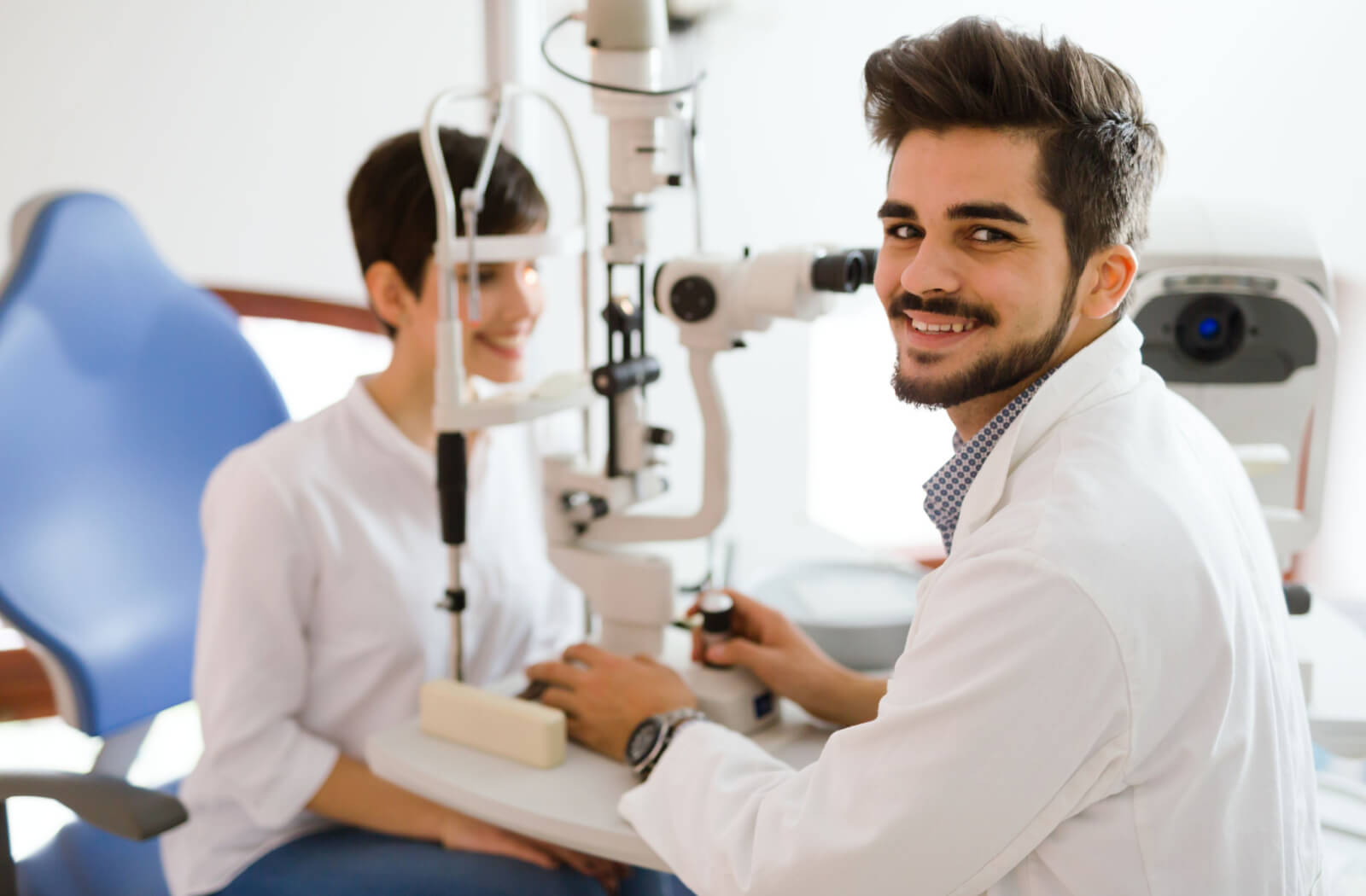
Gone are the days when eye exams focused solely on chart readings and lens prescriptions. In the current era, several centers incorporate cutting-edge technologies that transform routine check-ups into holistic health assessments. These exams offered by entities like Modern Vision Solutions have advanced from simple vision checks to complex evaluations that pinpoint underlying health conditions before symptoms become clinically apparent. This expanded scope of eye exams is a critical diagnostic tool for healthcare professionals, offering a noninvasive window into the health of your blood vessels, nerves, and connective tissues.
Studies highlighted by reputable organizations like the American Academy of Ophthalmology show that upwards of 11 million individuals in the United States require some vision correction. However, what is more compelling is the potential of these exams to detect systemic health issues, which further underscores the integral role optometrists play in preventive care.
Why Eye Health Reflects Overall Health
The eyes, often called the ‘windows to the soul,’ also serve as windows into a person’s health. They are unique in allowing healthcare providers a close-up view of the body’s microvascular system without invasive procedures. This unique anatomical aspect means that various systemic diseases affecting critical bodily functions, such as blood pressure regulation and metabolic control, can show early signs within the eyes. For instance, diabetes and hypertension can cause distinct changes in the blood vessels of the retina, providing crucial clues to potential underlying conditions long before serious symptoms manifest elsewhere.
Technologies Used in Detecting Health Issues
The advancements in eye care technology have made it remarkably easier for optometrists to gain insights into overall health, enabling early detection of various conditions. Tools such as Optical Coherence Tomography (OCT) and digital imaging provide high-resolution retina and optic nerve views, capturing precise details that may indicate early signs of disease. These technologies have revolutionized the accuracy and scope of eye exams, transforming them into comprehensive health checks that minimize the need for more invasive procedures in other settings. For instance, at Modern Vision Solutions’ Omaha location, patients can benefit from these cutting-edge advancements, with access to state-of-the-art diagnostic tools that support preventive care and effective management of eye health conditions.
An article on the Cleveland Clinic’s platform discusses these tools’ newfound capacities in detail. The article emphasizes the precision and depth of data that are now attainable and capable of catching health issues that traditional screening methods might overlook, such as the progression of macular degeneration and glaucoma.
Common Health Problems Identified in Eye Exams
Eye exams routinely uncover a plethora of potential health problems. One more surprising revelation is how effectively they can detect high cholesterol levels, often visible through corneal arcus (rings of lipid deposits around the cornea). High blood pressure and diabetes can leave their mark on the retina, alerting doctors to these conditions sooner rather than later. Additional ocular signs, such as unusual pupil reactions, could suggest possible neurological issues, thus necessitating further investigation.
The Importance of Regular Eye Exams for Non-Vision Issues
For individuals with perfect vision, the tendency to neglect regular eye checks is understandable but potentially detrimental. Comprehensive eye exams serve as more than just a check on vision quality; they offer a front line of defense in identifying systemic health issues. By detecting anomalies early, these exams provide invaluable insights into diseases that may progress without presenting obvious symptoms initially. In doing so, they enable early interventions that can positively alter health outcomes.
When to Schedule Your Next Eye Exam
Eye exams should become a non-negotiable part of your regular health routine. Health professionals generally advise that adults schedule a comprehensive eye exam every one to two years. These recommendations may vary based on an individual’s age, personal health history, and risk factors. Children and elderly individuals, in particular, should adhere to more frequent check-ups to ensure early detection and management of potential health issues.
Conclusion: Eyes, The Windows to Your Health
The significance of eye exams stretches far beyond determining whether you need glasses. They offer a unique and sometimes lifesaving glimpse into your overall health as proactive checks against potential issues. By understanding the broader healthcare implications of what your eyes can reveal, we appreciate optometry’s indispensable role in the preventive health spectrum. Thus, the next time you sit in that chair for an eye exam, know you’re doing much more than checking your vision—you’re taking an essential step in ensuring your long-term health and well-being.
