

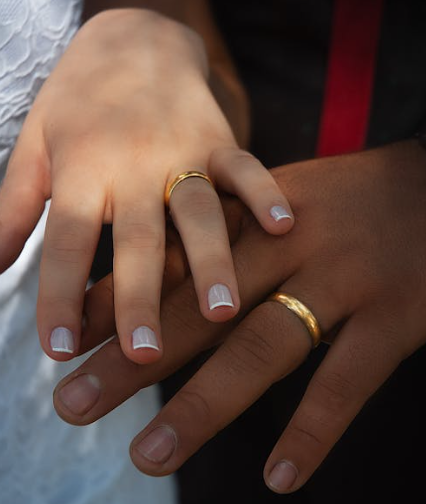
Choosing wedding bands ranks among the most meaningful decisions couples make while preparing for marriage. These symbolic rings represent an eternal bond and commitment, pieces you’ll wear every single day for the rest of your lives together. While engagement rings often steal the spotlight during proposals, wedding bands are designed to complement each other and tell the story of your unique partnership. The tradition of matching or coordinating wedding bands has evolved dramatically over the years, offering couples seemingly endless options to express their individual style while maintaining a cohesive look.
Understanding the Concept of Matching Wedding Bands
Here’s something many couples don’t realize at first, matching wedding bands doesn’t necessarily mean selecting identical rings for both partners. Modern couples have embraced various interpretations of this tradition, from perfectly identical bands to subtly coordinated designs that share common elements. The concept encompasses rings that feature similar metals, matching widths, coordinating patterns, or complementary design elements that create visual harmony when worn together. Some couples choose the exact same ring in different sizes, while others select designs from the same collection that share aesthetic DNA but differ in specific details like finish, engraving, or embellishments.
Popular Metal Choices for Coordinated Wedding Bands
The metal you choose for your wedding bands forms the foundation of their appearance and durability, it’s where everything starts. Traditional options like yellow gold, white gold, and platinum remain timeless favorites, each offering distinct characteristics in terms of color, weight, and maintenance requirements. Yellow gold provides warmth and classic elegance that never goes out of style, while white gold and platinum offer a cooler, contemporary aesthetic that pairs beautifully with modern diamond settings. Rose Gold has experienced a remarkable resurgence in recent years, appealing to couples who appreciate its romantic, vintage-inspired hue.
Design Elements That Create Cohesion
Beyond metal selection, numerous design elements can tie wedding bands together while allowing room for personalization. Width is one of the most fundamental considerations, as rings of similar widths create immediate visual harmony when worn side by side or photographed together. Finish options ranging from high polish to matte, brushed, or hammered surfaces offer another opportunity for coordination without requiring identical designs. Decorative details like milgrain edging, channel, set diamonds, engraved patterns, or carved textures can appear on both rings to establish thematic consistency that’s subtle yet meaningful.
Balancing Unity and Individual Expression
One of the most thoughtful approaches to selecting wedding bands involves finding that sweet spot between matching aesthetics and personal preference. Many couples discover that perfectly identical rings don’t suit both partners equally well due to differences in hand size, finger shape, or lifestyle considerations that become obvious once you start trying things on. A wider band that looks proportionate on larger hands might overwhelm smaller fingers, while a delicate band could appear insubstantial on a broader hand. Professional considerations matter too, someone who works with their hands extensively might require a more durable, lower-profile design than a partner in a less physically demanding profession. When shopping for coordinated rings, couples who need to balance these practical considerations with aesthetic harmony often find that matching wedding bands from the same collection with varying embellishment levels can satisfy both preferences beautifully. Personal style differences should be celebrated rather than compromised, after all, you fell in love with each other’s unique qualities, right? If one partner gravitates toward minimalist designs while the other prefers ornate details, customization options like different engraving messages, varied gemstone sizes, or alternative finishes on the same base design allow each person to feel their ring is truly theirs while maintaining that visual connection. Remember that your wedding bands should bring daily joy and comfort, so honoring individual needs ultimately strengthens the meaning behind your coordinated selection.
Timing and Budgeting for Your Wedding Band Purchase
Strategic planning around when and how to purchase your wedding bands can significantly impact your options and overall satisfaction with the process. Most jewelers recommend ordering wedding bands at least two to three months before the wedding date to allow adequate time for sizing, customization, and any necessary adjustments without the stress of rushing. This timeline becomes even more critical for custom designs or rings requiring special ordering from collections that might not be immediately available. Budget considerations should account for both rings together, keeping in mind that matching or coordinating bands often come with pricing advantages when purchased as a set from the same jeweler.
Caring for Your Matched Wedding Bands Over Time
Maintaining the beauty and integrity of your coordinated wedding bands requires understanding proper care techniques for your specific metal and design features. Different metals demand different maintenance approaches, while platinum develops a patina that many find appealing and adds character, white gold requires periodic rhodium plating to maintain its bright finish over the years. Yellow and rose gold are relatively low maintenance but benefit from regular professional cleaning to remove buildup that can dull their natural luster and hide intricate details. Rings with gemstones or intricate details need extra attention to prevent stones from loosening and to keep crevices free from accumulated debris that you don’t even notice building up.
Conclusion
Selecting matching or coordinating wedding bands is a deeply personal journey that balances tradition with individual expression, symbolism with practicality, and aesthetic preferences with lifestyle needs. By understanding the various options available, from metal choices and design elements to customization possibilities, couples can make informed decisions that result in rings they’ll treasure for a lifetime. The key to success lies in open communication between partners, thoughtful consideration of how each ring will be worn daily and working with knowledgeable jewelers who can guide you through the selection process with patience and expertise. Whether you choose identical bands that make a unified statement or complementary designs that celebrate your unique personalities while maintaining visual harmony, your wedding bands will serve as constant reminders of your commitment and love.
