

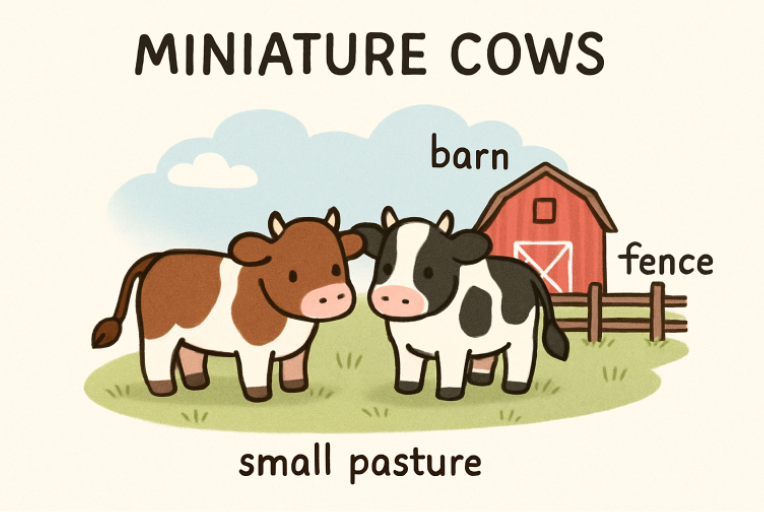
Miniature cattle are becoming increasingly popular with homesteaders and small-scale farmers who value manageable livestock that fits well on limited parcels of land. Their compact size, coupled with efficiency and charm, makes these tiny bovines a practical and attractive option for those looking to optimize resources while enjoying the benefits of animal husbandry. If you’re considering adding smaller breeds to your farm, mini highland cows for sale in PA offer a practical introduction to miniature cattle, perfectly suited for smaller homesteads and backyard farms.
Beyond their appealing stature, miniature cattle offer a suite of advantages, including lower feed requirements and gentler handling needs. They often require less investment in terms of infrastructure, and their adaptability can make small-scale farming more accessible to families and individuals seeking sustainable practices.
Understanding Miniature Cattle Breeds
Miniature cattle represent a variety of breeds that have been selectively bred for compact size while retaining many of the characteristics seen in their full-sized counterparts. For example, the Miniature Jersey is highly prized for its exceptional milk production, featuring rich, creamy milk that’s ideal for home dairies. Alternatively, Dexter cattle are dual-purpose animals, appreciated for both the quality of their milk and the flavor of their beef, and their robust nature suits a range of climates and conditions.
Selecting a breed that suits your land, climate, and farming goals should be made early on. While some breeds, such as miniature Herefords or Lowlines, offer calm dispositions ideal for families, others may excel in terms of hardiness or milk production. Researching the distinguishing features and requirements of each breed can help ensure a successful homesteading experience.
Space and Shelter Requirements
Despite their smaller stature, miniature cattle require adequate living space to thrive. A standard recommendation is to provide at least 200 square feet of indoor space per animal, supplemented with accessible outdoor grazing areas. Good fencing is essential—not only for security but also because miniature cattle are agile and may exploit weak spots in enclosures.
Proper shelter is particularly important in climates with extreme temperatures or high precipitation. Sturdy barns or sheds protect cattle from cold winds, snow, and harsh sun, preventing stress and the risk of illness. Bedding should be kept dry and clean, with proper ventilation to reduce respiratory issues and maintain hygiene.
Nutrition and Feeding Practices
Balanced nutrition is a cornerstone of health and productivity in miniature cattle. These animals typically consume between 1% and 2% of their body weight in dry matter each day, with the majority of their diet consisting of high-quality grass or hay. Supplementation with grains and a specially formulated mineral mix may be necessary, particularly for animals in lactation or those with limited pasture access.
Overfeeding, especially of grains, should be avoided as it can quickly lead to obesity and associated health problems. Closely monitoring body condition and consulting with a livestock nutritionist can help maintain optimal health.
Health and Veterinary Care
Routine veterinary care is essential for the well-being and longevity of miniature cattle. Essential practices include vaccinations tailored to your region’s disease profile, regular deworming, and parasite control. Hoof trimming is another critical task, as neglect can lead to lameness and reduced mobility, particularly in smaller breeds that are prone to rapid hoof growth.
Awareness of common ailments—such as bloat, respiratory infections, and mineral deficiencies—enables early intervention and minimizes complications. Building a relationship with a knowledgeable livestock veterinarian familiar with miniature breeds is highly recommended.
Socialization and Handling
Miniature cattle thrive best when housed with at least one companion, which reduces stress and promotes healthy social behaviors. These gentle animals are known for their docile nature, but benefit greatly from early and consistent handling. Calm, patient interaction builds trust, making regular maintenance and veterinary care much easier and safer for both handlers and pets.
Involving children in caring for miniature cattle can foster responsibility and provide valuable lessons in animal care. However, supervision is essential, especially during feeding times or when introducing new animals to the group.
Economic and Environmental Benefits
Miniature cattle offer notable economic and ecological advantages. Their smaller size lowers overall feed, land, and infrastructure costs, benefiting those with limited acreage. For families aiming to minimize their farm’s environmental footprint, miniature breeds produce less waste, require fewer resources, and contribute to more sustainable pasture management practices than their full-sized relatives.
The growing demand for miniature cattle as pets, show animals, or for small-scale farming can also create new economic opportunities, whether through the sale of dairy and beef products or by marketing breeding stock to new homesteaders.
Final Thoughts
Raising miniature cattle is a rewarding venture that aligns well with the goals of modern, sustainable homesteads. By carefully selecting a suitable breed, ensuring proper nutrition and shelter, and remaining attentive to health and behavioral needs, small-scale farmers can enjoy the multiple benefits these charming animals bring to the table. Whether you’re seeking efficient land use, manageable livestock, or a step toward agricultural self-sufficiency, miniature cattle make an excellent addition to the thoughtfully planned homestead.
