

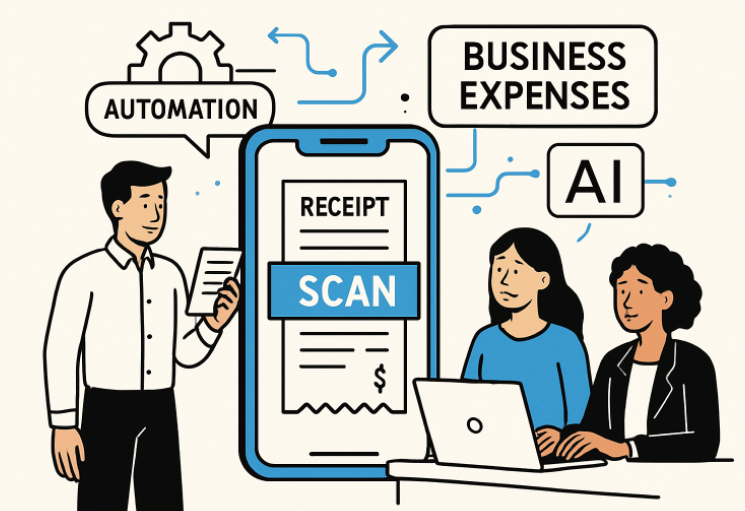
Managing business expenses is a critical concern for modern teams that want to maintain transparency and financial health in their operations. As the business environment becomes more complex, the need to manage expense processes quickly and accurately has never been greater. Moving away from traditional paper-based methods and embracing digital tools can simplify expense processes, minimize errors, and boost overall productivity.
Today’s organizations are integrating advanced technologies, such as automation and mobile apps, that enable instant data capture and seamless submissions. With these solutions, teams can monitor spending in real time, ensure compliance, and reduce bottlenecks that slow reimbursements. Companies that modernize their expense management practices are also more likely to achieve higher employee satisfaction as processes become less burdensome and more efficient.
Implementing these tools is not just about convenience; it is essential for maintaining financial accuracy, reducing administrative work, and providing transparency for every transaction. Market research shows a clear preference for easy-to-use solutions that can adapt to the demands of hybrid and remote workforces. When organizations adopt the right strategies, they foster a culture of accountability while ensuring expenses align with company policies and budgets.
By leveraging digital platforms that utilize automation and artificial intelligence, finance departments and employees can focus more on strategic tasks rather than getting bogged down by routine paperwork. This move toward efficient expense management is being recognized as an industry best practice by leaders in finance and technology. For businesses looking to make smarter decisions and gain a competitive advantage, streamlining expense tracking is essential.
Introduction
Effective expense tracking is vital for all organizations that need to control business costs and make informed budgetary decisions. Traditional manual processes, such as collecting receipts and submitting paper forms, often result in time-consuming, error-prone tasks. Embracing modern digital solutions transforms this once burdensome operation into a streamlined and measurable component of corporate finance.
Challenges in Traditional Expense Management
The manual methods of handling expenses pose several operational obstacles for teams:
- Time-Consuming Processes: Employees spend substantial time filling out expense reports and tracking down physical receipts.
- Risk of Human Error: Manual data entry introduces the potential for mistakes that can disrupt reporting accuracy.
- Delayed Reimbursements: Prolonged approval and payment cycles undermine employee morale and trust in the system.
- Compliance Concerns: Lack of automated policy enforcement means violations are often caught too late, increasing the risk of financial discrepancies.
According to a Harvard Business Review report, companies that cling to manual expense management are also more exposed to fraud and regulatory risks.
Benefits of Automated Expense Tracking
Automating business expense processes offers tangible and immediate benefits:
- Increased Efficiency: Expense automation reduces the administrative workload and expedites the entire reimbursement process. After digitizing their workflows, organizations like Microsoft saw up to a 70% drop in the time spent on expense management tasks.
- Improved Accuracy: Automatic data capture from receipts and transactions greatly reduces the likelihood of reporting errors.
- Compliance Monitoring: Real-time policy enforcement helps flag out-of-policy expenses as soon as reports are created.
- Employee Experience: Fast processing means employees receive their reimbursements far more quickly, leading to higher engagement and satisfaction.
Integrating AI and Machine Learning
Artificial intelligence and machine learning are now foundational in the evolution of expense management systems:
- Automated Receipt Capture: OCR technology extracts data directly from uploaded images or PDFs, saving employees significant time.
- Automatic Categorization: Advanced algorithms learn from past transactions to classify and tag expenses with high precision.
- Fraud and Anomaly Detection: AI tools help identify suspicious patterns and flag them for further review, strengthening financial controls.
Research from Harvard Business Review suggests that AI-driven tools can accelerate transaction processing by over 80 percent compared to fully manual approaches.
Mobile Solutions for Expense Reporting
Mobile-first solutions now set the standard for user-friendly expense reporting:
- On-the-Go Capture: Employees can photograph receipts and submit expense details directly from their smartphones.
- Anytime Submissions: Mobile apps allow staff to create and send reports from any location, even offline in some cases.
- Notifications and Updates: Real-time alerts keep users informed about report status and any required actions.
Findings from a recent Deloitte survey highlighted that 86 percent of employees now prefer completing expense-related tasks through mobile applications, cementing the importance of mobile solutions in today’s workplace.
Best Practices for Implementation
- Assess Needs: Evaluate current pain points, employee workflows, and compliance requirements before selecting a new system. Significantly.
- Compatible Tools: Invest in platforms that integrate seamlessly with existing HR, payroll, or accounting systems to avoid siloed data.
- Employee Training: Initiate comprehensive onboarding and resource materials to drive adoption and utilization.
- Continuous Evaluation: Collect feedback and review analytics to optimize configurations and solve emerging challenges as the team grows.
Conclusion
Modern business expense management solutions deliver more than just convenience; they transform expense tracking into a strategic advantage. By adopting automation, AI, and mobile apps, companies ensure compliance, reduce overhead, and improve the workplace experience for everyone involved. The result is a future-proof system that empowers teams to work smarter and ensures every dollar is accounted for in real time.
