

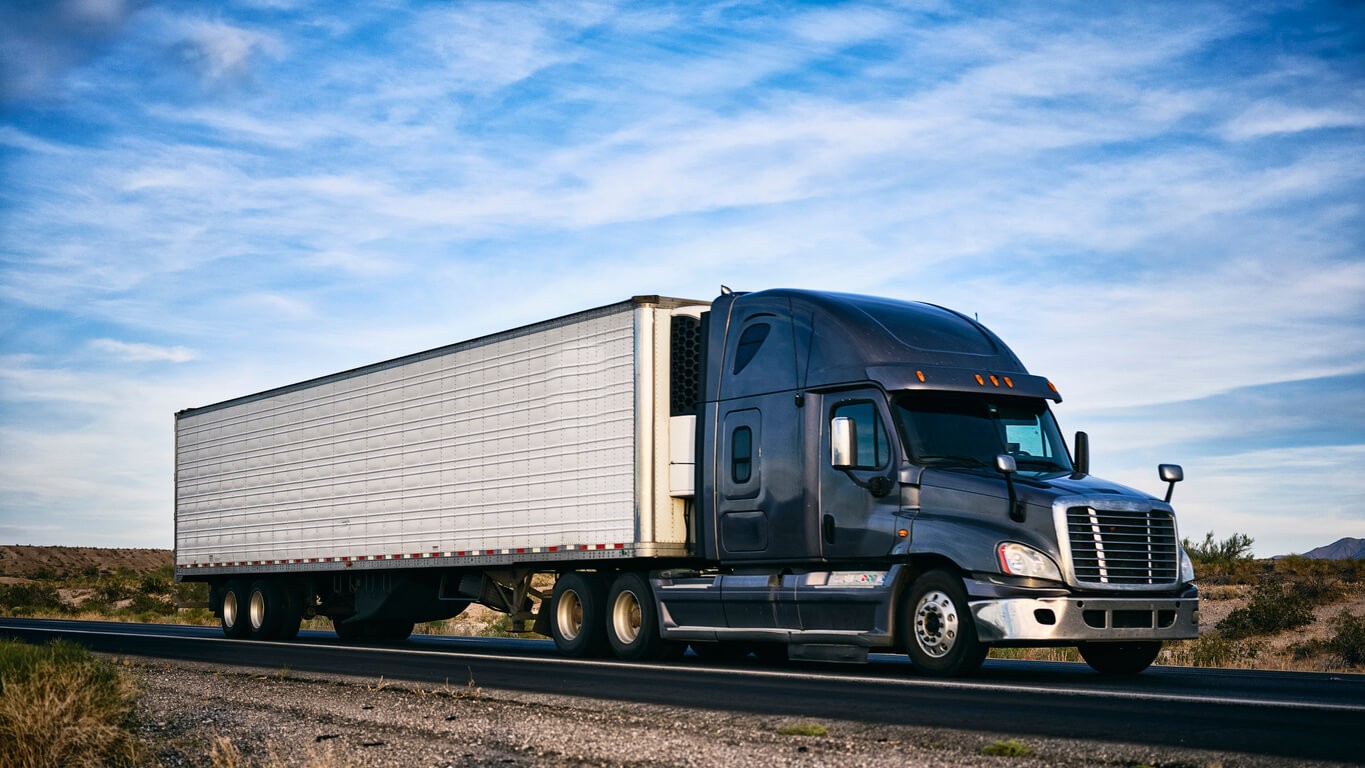
Financing a semi-truck isn’t like walking onto a car lot and picking out a new ride. This is a business move. Whether you’re buying your first truck or adding another one to your fleet, the process is different—and lenders look at a lot more than just your credit score.
If you’ve never gone through semi-truck financing before, here’s what matters and how it actually works.
It’s Not Personal—It’s Commercial
When you finance a personal vehicle, the bank looks at your income, credit, and debt-to-income ratio. With a truck loan, they’re trying to figure out whether that truck will actually pay for itself.
They’ll want to know:
- How long you’ve been in business
- What kind of freight you’re hauling
- How many miles you run
- If you’ve financed equipment before
- And yes, your personal credit still matters
You’re not just buying a truck—you’re asking someone to back your business plan, whether you’ve written it out or not.
Down Payments Are Higher
A car loan might let you roll out with zero down. That’s not how this works. Most semi-truck loans require a downpayment between 10% and 25%, depending on your credit, the truck’s age, and the risk the lender sees in the deal.
The newer and lower mileage the truck, the easier it is to finance. Older trucks with high mileage can still get funded—but you’re probably looking at a higher down payment or a shorter loan term.
Rates and Terms Vary—A Lot
There’s no one-size-fits-all rate here. If you’ve got strong credit and a solid business history, you’ll probably get better terms. If you’re just starting out, expect a higher rate—especially if this is your first truck.
Loan terms usually run from 3 to 6 years. Stretching the term makes the payment smaller, but you’ll pay more in interest over time. Just make sure the monthly payment actually works for your business, not just on paper.
Financing Through the Right People Matters
Not all lenders understand trucking. That’s why working with a dealership that makes a big difference. They’ve seen drivers at every stage—new, growing, rebuilding—and they’ll help you find financing that fits your situation.
You’re not just buying a truck. You’re betting on your ability to run it right, keep it moving, and turn a profit. Financing is just part of the job—so make sure you do it with people who know how to keep trucks and drivers on the road.
