

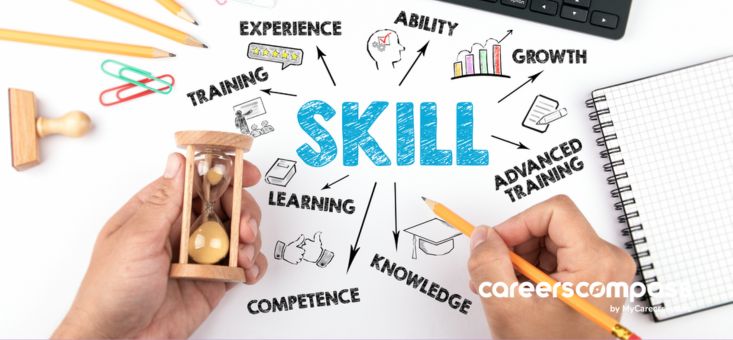
When you think about advancing your career, what comes to mind? For many of us, it’s about climbing the ladder, getting that promotion, or landing our dream job. But what if we told you that the secret to reaching those goals isn’t just about working harder or longer hours? It’s about learning smarter. The skills and knowledge you build through education directly impact your career, and understanding how to match your learning journey with your professional aspirations can make all the difference.
Understanding What You Really Want
Before diving into any learning opportunity, it’s essential to first understand where you want your career to go. Do you dream of managing a team, starting your own business, or maybe working in a creative field? The clearer your career goals are, the easier it is to align your learning path with them.
Let’s say you’re interested in pursuing a leadership role in business. A starting point might be to consider an online associate degree in business. It’s an accessible option that allows you to gain foundational knowledge about management, finance, marketing, and other key areas. But it’s not just about getting the degree — it’s about understanding how it will fit into your future ambitions. When you know what kind of role you want, you can figure out what kind of skills you need to make that happen.
Know Your Learning Style
Everyone learns differently, and understanding your own learning style is crucial to choosing the right opportunities. Some people thrive in structured environments with clear deadlines and assignments, while others are more hands-on and prefer practical experience. For example, if you’re someone who learns best by doing, you might look for internships or volunteer opportunities that provide real-world experience. On the other hand, if you’re more comfortable in a classroom setting, taking formal courses—whether online or in-person—might be the better fit.
The important thing here is to choose a path that works for you. There’s no one-size-fits-all approach, and your learning needs will evolve as your career goals do. Whether it’s an online degree, a certification, or a mentorship program, there are countless ways to gain the knowledge you need. The key is to find a learning method that helps you stay engaged, motivated, and successful in the long run.
Building a Strong Foundation with Core Skills
No matter what your career goals are, there are some core skills that are universally valuable. Communication, problem-solving, critical thinking, and leadership are all qualities that employers look for, no matter the industry. If you can develop these skills early on, you’ll have a strong foundation to build upon.
Think about what these skills might look like in the context of your own career goals. Are you working towards a managerial role? Strengthening your communication and leadership skills should be a priority. If you’re aiming for a position in the tech industry, you might want to focus on technical skills like coding or data analysis. No matter where you want to go, the basics of clear communication, creativity in problem-solving, and strategic thinking will always be valuable.
Staying Flexible and Open to New Opportunities
Sometimes, the best opportunities for growth don’t come in the form of a traditional course or degree. They might be through networking, attending industry events, or learning from others in your field. As you gain experience, you’ll discover that the learning process doesn’t stop once you graduate or complete a course.
It’s also important to stay flexible. Your career goals may shift over time, and that’s okay. Learning doesn’t have to be a rigid process. Instead of focusing solely on one educational path, think about how you can continuously add new skills to your repertoire. Keep an open mind and always be willing to learn new things, whether it’s through formal education or other channels like podcasts, blogs, or online webinars.
Create a Learning Plan That Evolves with You
Now that you have a clearer idea of what you want to achieve, your next step is to create a learning plan. But here’s the twist: this plan should evolve with you. It’s not about locking yourself into a rigid, step-by-step process. Instead, view it as a flexible roadmap that allows you to adjust as your goals change.
Start by breaking down your larger career goals into smaller, manageable milestones. If you’re aiming for a managerial role in business, for instance, you might set a short-term goal of completing an online course in leadership, followed by gaining hands-on experience through an internship. As you grow and gain more experience, you can adjust your plan to tackle more advanced learning opportunities like a specialized certification or a full degree program.
Don’t Be Afraid to Ask for Help
No one achieves their career goals alone, and seeking guidance from others can be one of the best ways to learn. Whether it’s a mentor, colleague, or online community, don’t hesitate to ask for advice, feedback, or suggestions about learning opportunities. Chances are, others in your industry have already navigated the path you’re on and can offer valuable insights.
Sometimes the best learning doesn’t happen in a classroom — it happens through conversations and collaborations with others. Whether you’re looking to improve your networking skills or asking for feedback on a project, learning from those around you can provide fresh perspectives and open doors to new opportunities.
Conclusion: Lifelong Learning is Key
In the end, the key to achieving your career goals lies in continuous learning. There’s no final destination when it comes to professional growth — it’s a journey that involves constantly building new skills and adapting to an ever-changing job market. Whether you’re taking a formal course, attending a workshop, or picking up new skills on the job, each learning opportunity brings you closer to where you want to go.
Remember, the best part about learning is that it’s never too late to start. Your career goals may change over time, but your ability to keep learning will always be the most important tool in your career advancement toolkit. So get started, stay curious, and keep pushing forward. Your future self will thank you!
