

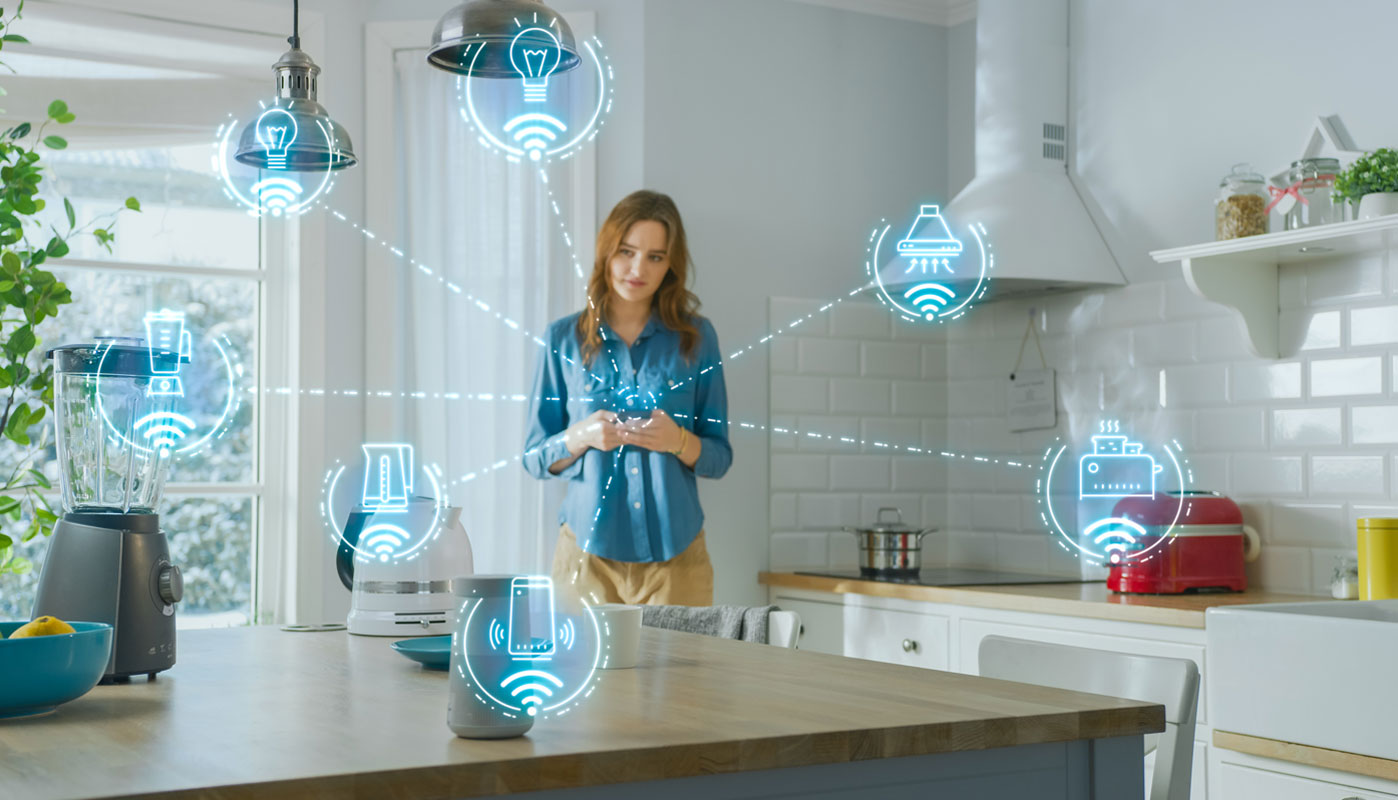
The modern smart home is often thought of as a futuristic concept that’s only for the tech-savvy or those with deep pockets. However, the truth is that building a smart home has become more accessible and practical for everyone. Still, with so many options available and a variety of ecosystems, standards, and devices to choose from, it can quickly feel overwhelming. The process of getting your smart home set up involves more than just buying the latest gadgets; it’s about understanding how different systems and devices work together, and how to make sure everything runs smoothly. Let’s explore how to support and build a smart home that fits your needs, whether you’re looking to boost convenience, enhance security, or improve energy efficiency.
Start with a Reliable Fiber Optic Internet Connection
Before diving into the world of smart home devices, the foundation of your smart home lies in your internet connection. With so many devices relying on internet connectivity, it’s crucial to have a strong and reliable connection. This is where fiber optic internet shines. Unlike traditional broadband, fiber optic internet offers faster speeds and more reliable connections, ensuring your devices communicate seamlessly with each other.
Many smart home devices—such as security cameras, thermostats, and even voice assistants—stream data, so a solid internet connection is essential. If your connection is slow or unreliable, you’ll experience lags, disconnections, or delayed responses from your devices. Investing in fiber optic internet will give your home the speed it needs to support everything from video streaming to home automation, allowing you to get the most out of your smart home system.
Understand the Ecosystems and Platforms Available
One of the most important decisions you’ll make when setting up your smart home is choosing the right ecosystem or platform. This is essentially the “brain” that controls your devices, allowing them to communicate and work together. The major ecosystems—Amazon Alexa, Google Assistant, and Apple HomeKit—each offer different features and integrations, so choosing the right one depends on what works best for you.
For example, if you already use Alexa for your shopping or controlling other devices, you might want to stick with Amazon’s platform. If you have other Apple devices, such as iPhones or iPads, you may prefer Apple’s HomeKit system for easy integration. Google Assistant works well with a wide range of devices, offering a simple, user-friendly experience.
The key is to choose a platform that aligns with your existing devices and offers the integrations you need. Once you’ve chosen your ecosystem, it’s important to ensure the devices you buy are compatible with it. Mixing and matching devices from different brands and ecosystems can lead to headaches, so it’s worth taking the time to do your research to make sure everything will work together.
Selecting the Right Devices for Your Needs
When you think of a smart home, it’s easy to imagine a house full of gadgets and fancy tech, but it’s important to start with your needs. What do you want your smart home to do? Are you interested in saving energy, improving security, or making everyday tasks more convenient? Once you know your goals, you can choose devices that fit those needs.
For example, if energy efficiency is a priority, start with a smart thermostat. Smart thermostats like Nest or Ecobee learn your routines and adjust the temperature based on your preferences, saving energy and lowering your bills. If security is more important, you can focus on smart cameras, doorbells, and locks. Smart doorbells like Ring offer video feeds, so you can see who’s at the door without opening it, even when you’re not home. Adding smart lighting can also enhance your home’s security by making it look like someone is always there, deterring potential intruders.
Other devices to consider include smart plugs for controlling lights and appliances, smart speakers like Amazon Echo or Google Nest for voice commands, and smart TVs or streaming devices for easier access to entertainment. The trick is to avoid overwhelming yourself with too many gadgets at once and to start with devices that are most important to your daily life.
Making Sure Everything Works Together
After purchasing your smart home devices, it’s important to ensure they all work together seamlessly. Some devices might require specific hubs or apps to function, while others are ready to integrate with your chosen platform immediately. This is where planning ahead can really make a difference. Think of your smart home as a puzzle—if one piece is missing, or doesn’t fit properly, the entire system could fail to work efficiently.
Consider how different devices will interact with each other. For example, a smart thermostat might need to be connected to your smart lights so they turn off when the temperature reaches a certain level. Your smart security system may need to communicate with your smart doorbell so you can see who’s at your door and lock the door remotely. By choosing devices that integrate well with your platform and each other, you ensure that your home functions smoothly and efficiently.
Focus on Security and Privacy
While the convenience of a smart home is obvious, there are also security and privacy considerations to keep in mind. Many smart devices, such as cameras, voice assistants, and smart speakers, are always connected to the internet, which makes them potential targets for cybercriminals. To ensure your smart home is secure, it’s essential to follow a few best practices.
Start by using strong, unique passwords for all your devices and accounts, and enable two-factor authentication (2FA) wherever possible. Keep your devices updated, as manufacturers frequently release security patches to fix vulnerabilities. If your devices support encryption, make sure it’s enabled to protect your data. Additionally, use a secure Wi-Fi network for your smart home, and consider setting up a separate network just for your devices to keep them isolated from your personal devices like laptops and phones.
Regularly monitor the activity of your devices, and check to make sure they haven’t been tampered with. Security is an ongoing process, so staying proactive will help you protect your smart home from cyber threats.
The Future of Your Smart Home
The technology behind smart homes is advancing rapidly, and what’s cutting-edge today may be outdated tomorrow. However, the good news is that many smart home systems are designed to be flexible and scalable, so you can continue to add new devices as they become available. As you build your smart home, it’s important to think about future compatibility. Choose platforms and devices that can easily integrate with new technologies to ensure that your home can evolve with the times.
For example, as more devices become compatible with 5G networks, having a fiber optic internet connection in your home will provide the speed and reliability necessary to take advantage of future advancements. You can continue to expand your smart home as new innovations emerge, without worrying about your internet connection holding you back.
Conclusion
Building and supporting a smart home doesn’t have to be overwhelming. By starting with a strong fiber optic internet connection, choosing the right ecosystem, and selecting devices that align with your needs, you’ll create a home that works for you—today and in the future. Remember to plan ahead, integrate your devices, focus on security, and be prepared for new developments in smart home technology. With a little effort and the right choices, you can transform your home into a seamless, efficient, and secure space that fits your lifestyle perfectly.
