

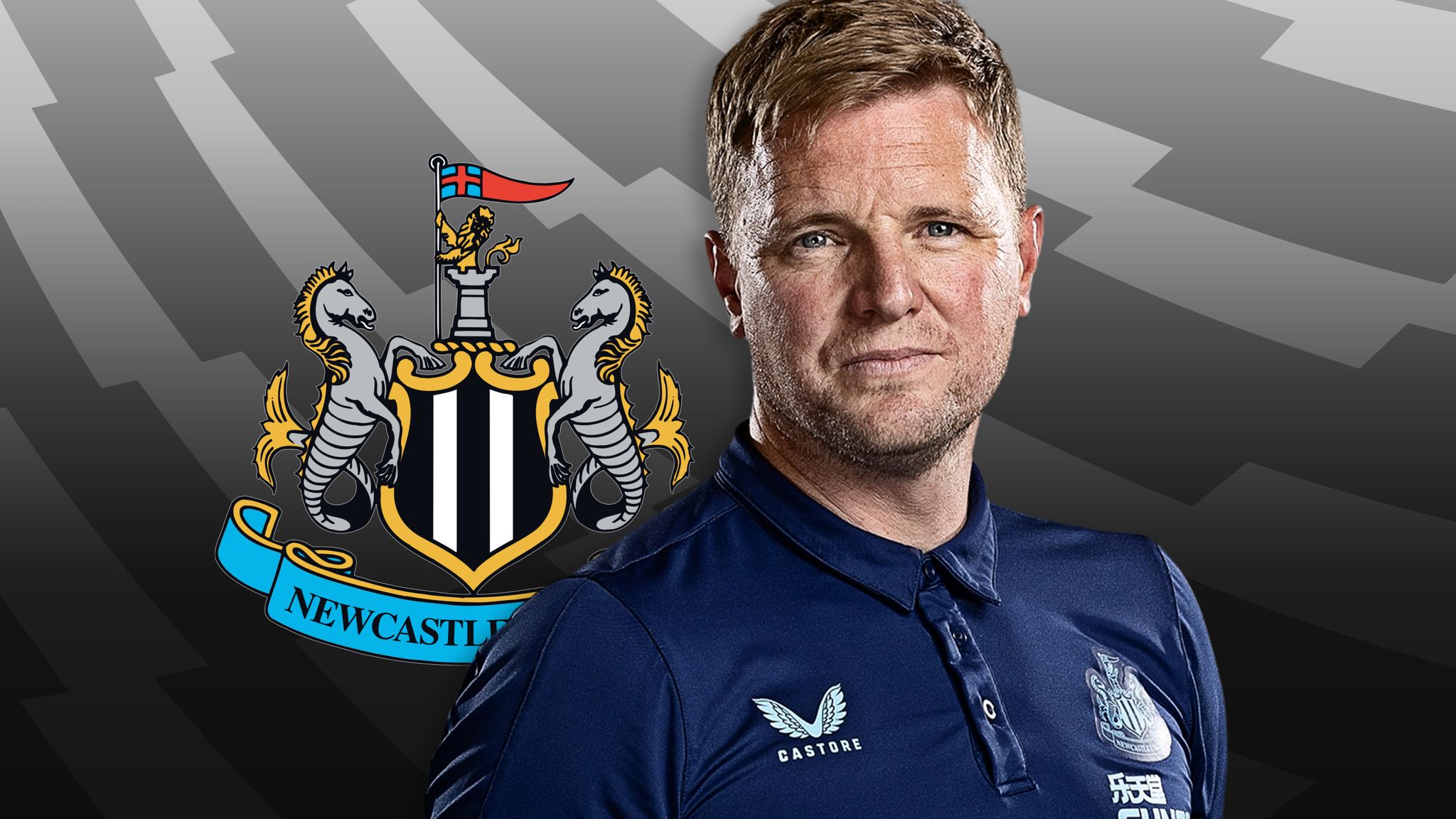
Eddie Howe has become one of English football’s most admired managers, known for his meticulous approach, tactical acumen, and ability to transform struggling sides into formidable teams. Born in Amersham, Buckinghamshire, in 1977, Howe’s playing career as a defender was spent largely at Bournemouth, where he became a fan favourite before injuries forced an early retirement.
OddsMonkey, experts in online side hustles, have explored Eddie Howe’s remarkable journey to becoming a key managerial force for Newcastle United FC.
Eddie Howe: A Modest Playing Career That Set the Foundation
Before becoming one of English football’s brightest managerial minds, Eddie Howe enjoyed a respectable, if not star-studded, playing career as a defender. Born in Amersham, he moved to the south coast at a young age and joined AFC Bournemouth’s youth academy. It was there, in the late 1990s, that Howe began his professional journey.
Howe made his senior debut for Bournemouth in 1995 and quickly established himself as a reliable, intelligent centre-back. He was never the tallest or the fastest defender, but what he lacked in physicality, he made up for with sharp positioning, good decision-making, and a cool head under pressure. The Cherries were a League One (then Division Two) side at the time, and Howe became a key figure for the club, making over 200 appearances across two spells.
His performances at Bournemouth caught the eye of Premier League side Portsmouth, who signed him in 2002 for £400,000—a significant fee for a League One player at the time. Unfortunately, his time at Portsmouth was plagued by injuries, including a serious knee problem that limited him to just two league appearances. It was a bitter blow for Howe, who was forced to spend much of his prime years battling fitness issues.
In 2004, Howe returned to Bournemouth on loan, eventually making the move permanent. While injuries continued to take their toll, he played a vital role in stabilising the team during challenging seasons. By 2007, Howe was forced to hang up his boots at the age of just 29, marking the end of a career that was as much about resilience as it was about talent.
Though his playing days were cut short, the experience of battling through adversity would become a cornerstone of Howe’s managerial philosophy. His understanding of the game, forged on the pitches of lower-league football, laid the foundation for the remarkable coaching career that was about to unfold.
Eddie Howe’s Early Managerial Career
Eddie Howe’s managerial journey began in the most humble and unexpected of ways. After retiring from playing in 2007, he stayed close to the game by taking up a role in AFC Bournemouth’s youth setup. It wasn’t a glamorous start, but it was one that would lay the groundwork for his future success.
Tasked with coaching the club’s youngest talents, Howe quickly earned a reputation for his meticulous attention to detail and his ability to connect with players. He didn’t just see coaching as a job; he saw it as a way to shape players’ futures, both on and off the pitch. His sessions were marked by an emphasis on technical ability, tactical awareness, and instilling confidence in young players.
The role gave Howe a chance to learn the ropes of coaching while working within the constraints of a club struggling financially. Bournemouth, at the time, were on the brink of collapse, battling crippling debt and fighting for survival in League Two. Despite the club’s challenges, Howe remained focused on nurturing talent, quietly building his understanding of the game from a manager’s perspective.
Eddie Howe’s Next Steps in his Managerial Career
Eddie Howe’s managerial career took off in 2009 in dramatic fashion. At just 31 years old, Howe was handed the reins of Bournemouth’s first team after a string of managerial changes and a club in financial ruin. The Cherries were mired in League Two, starting the season with a 17-point deduction due to financial mismanagement and facing almost certain relegation to non-league football. It was a baptism of fire for a rookie manager.
Under Howe’s leadership, Bournemouth achieved the seemingly impossible. Taking over with the team at the bottom of the table, he inspired a remarkable turnaround, with the Cherries avoiding relegation against all odds. Howe’s tactical approach, built around attacking football and belief in his players, made him an instant hero on the south coast.
The following season (2009/10), Howe guided Bournemouth to promotion to League One, further cementing his status as one of the brightest young managers in English football. The team’s success under his stewardship wasn’t just about results, it was the manner in which they played. Howe’s sides were brave on the ball, well-organised, and driven by a sense of unity and resilience that mirrored their manager’s personality.
By 2011, Howe’s exploits had attracted attention from bigger clubs, and he made the move to Championship side Burnley. It was a new challenge for the young manager, stepping into a club with greater resources but also higher expectations. His time at Turf Moor was steady rather than spectacular, as he guided Burnley to mid-table finishes during the 2010/11 and 2011/12 seasons.
Despite showing flashes of his potential, Howe never quite found the same connection with Burnley as he had with Bournemouth.
In October 2012, Howe returned to Bournemouth, reuniting with the club where he’d already made history. If his first spell in charge was impressive, his second was nothing short of extraordinary. Taking over with the team struggling in League One, Howe quickly turned things around, steering Bournemouth to a second-place finish and promotion to the Championship by the end of the 2012/13 season.
His impact didn’t stop there. Over the next two years, Howe masterminded one of the most remarkable stories in English football history, leading Bournemouth to promotion to the Premier League for the first time in the club’s history in 2014/15. The Cherries won the Championship title with a thrilling brand of football, finishing as the league’s top scorers.
It was a fairytale rise for both club and manager, built on Howe’s unwavering belief in his players, his ability to develop talent, and his commitment to attacking, entertaining football. The Premier League awaited, and Howe was about to prove that his success wasn’t a fluke.
Eddie Howe’s Move to Newcastle
Eddie Howe’s appointment at Newcastle United in November 2021 marked a pivotal moment for both club and manager. Newcastle, fresh from a transformative change in ownership, found themselves in dire straits, sitting 19th in the Premier League with no wins from their first 11 games. The pressure was immense, and the challenge was clear: rescue a sinking ship and build a platform for the club’s ambitious future.
Howe wasted no time silencing the doubters. With his trademark focus on hard work, tactical discipline, and player development, he revitalised the Magpies. Newcastle surged up the table, finishing the 2021/22 season in 11th place, a remarkable turnaround. His ability to blend existing squad members with smart January signings like Kieran Trippier and Bruno Guimarães showcased his adaptability and eye for talent.
For Newcastle fans, Howe’s arrival wasn’t just about immediate survival, it was the dawn of a new era. His calm demeanour, modern approach, and clear vision made him the perfect architect for a team on the rise. With Eddie Howe at the helm, the Magpies weren’t just aiming to survive, they aimed to thrive.
